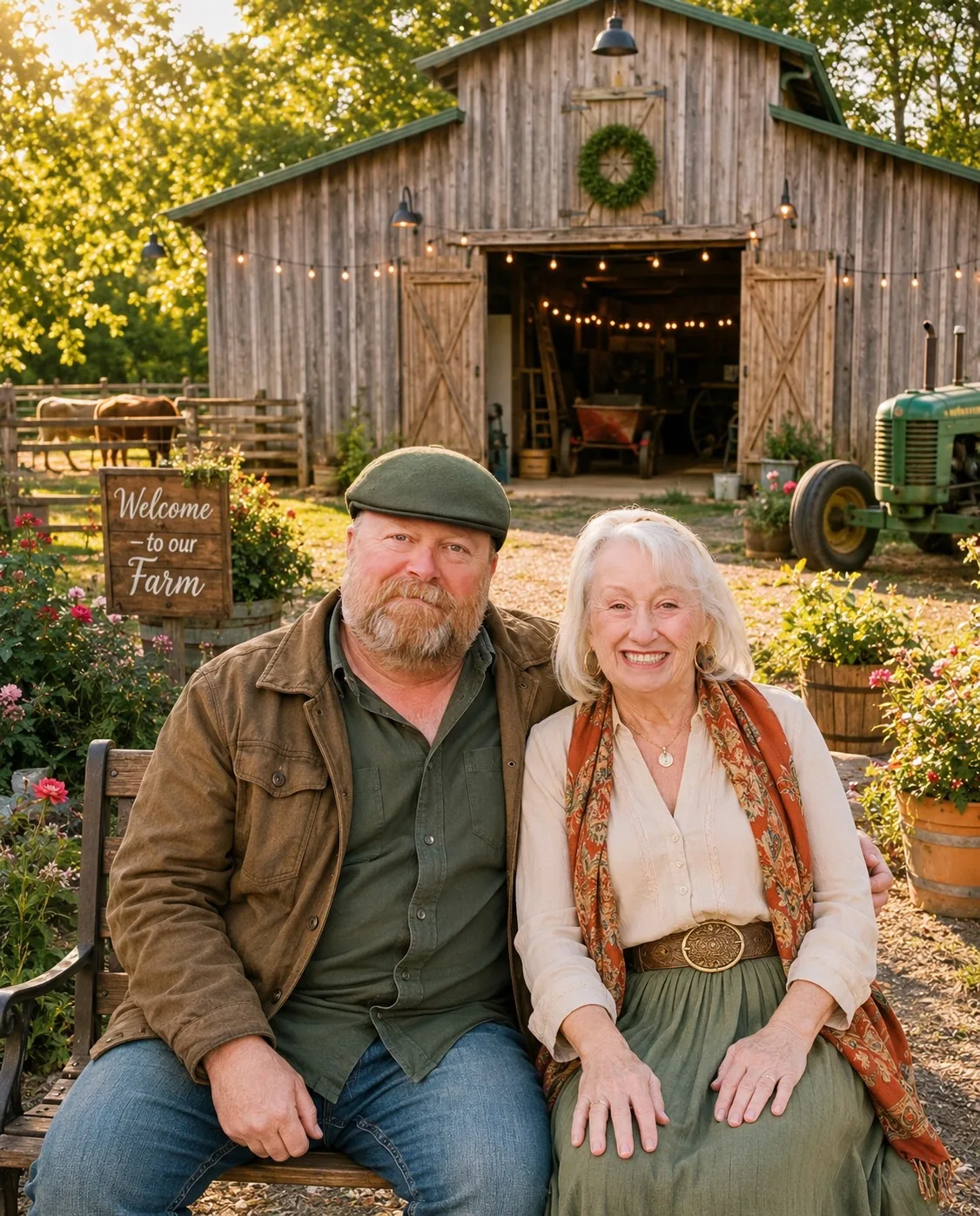
Brenda Gantt’s public story feels larger than a collection of recipes. It is a story about staying active, feeding people, tending what grows, keeping old photographs, dressing up for an occasion, and finding reasons to gather.
Editorial note: This independent photo essay does not claim to document a precise chronology. Captions describe visible scenes and connect them with themes Brenda Gantt has discussed publicly. Other people are not identified unless independently verified.
1. The Face at the Other Side of the Kitchen
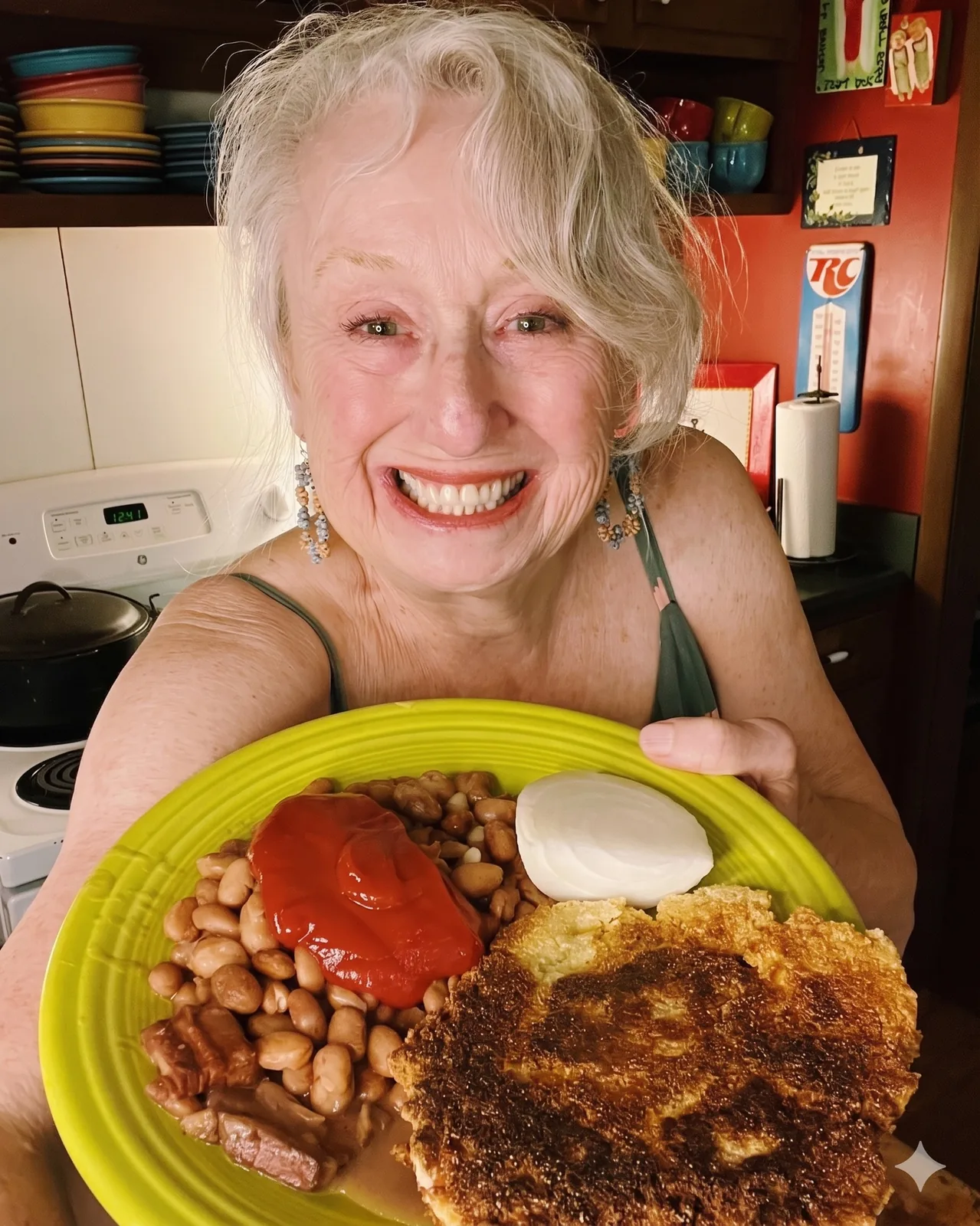
A polished television set was never the heart of Brenda Gantt’s appeal. The connection came from a familiar face, an ordinary room, and the feeling that the person cooking was speaking to one neighbor at a time. Across these portraits, years and settings change, but the open expression remains consistent.
The public kitchen story arrived late, but the life behind it was already full.A close, unguarded smile reflects the conversational warmth viewers recognize.Home-kitchen informality and special-occasion sparkle can belong to the same life.
2. A Working Kitchen, Not a Stage
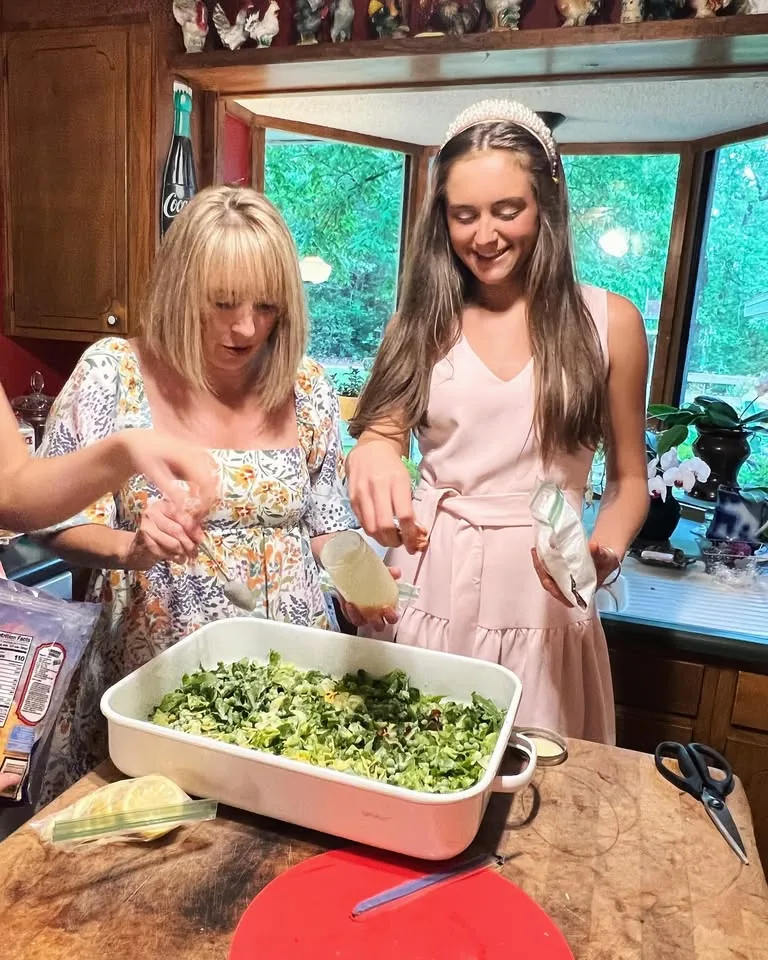
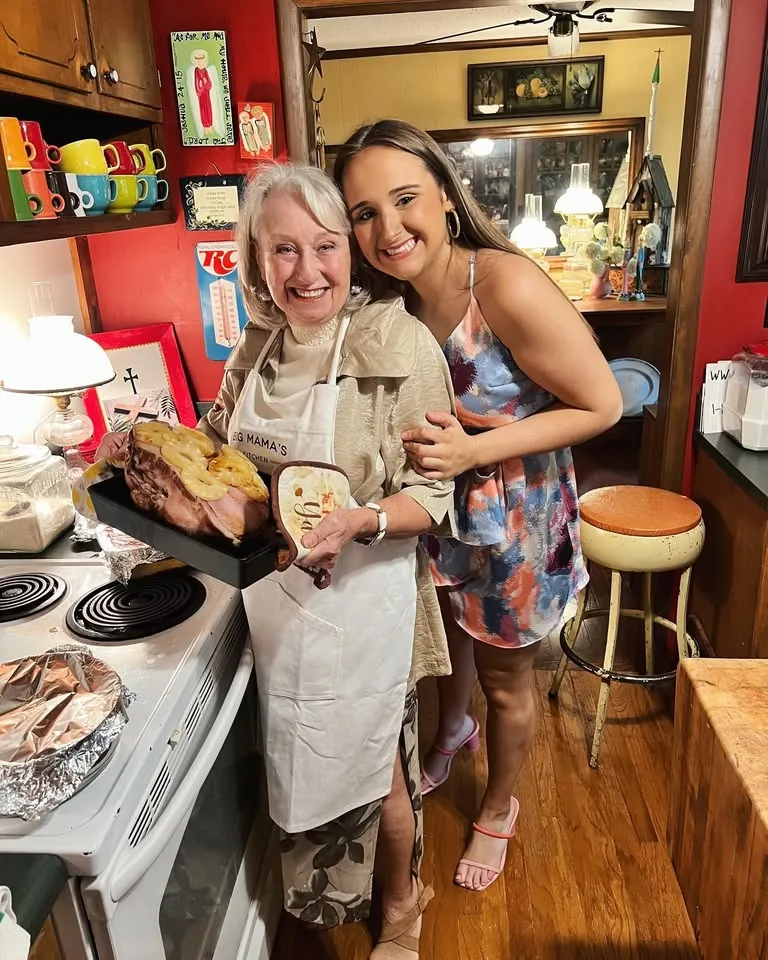
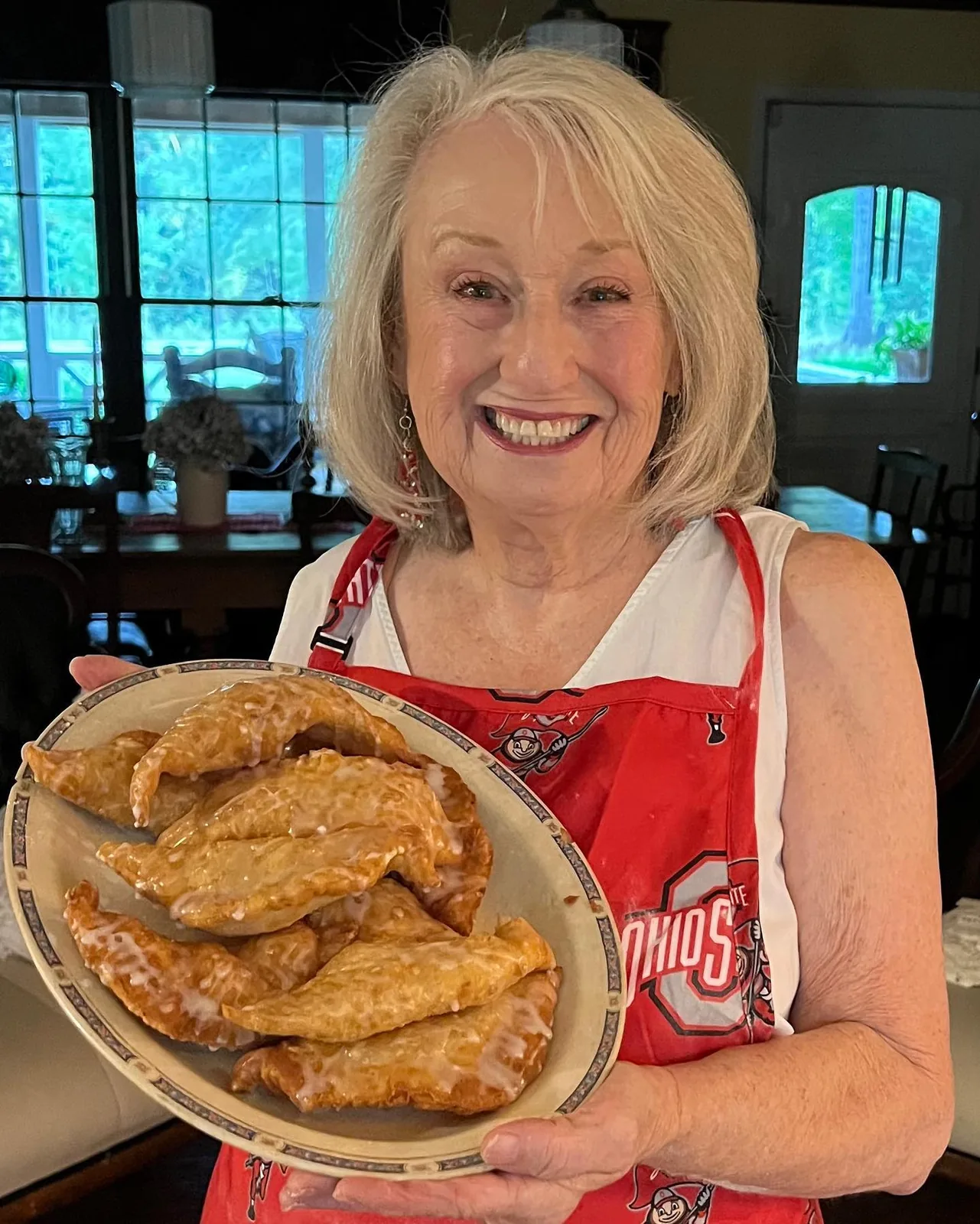
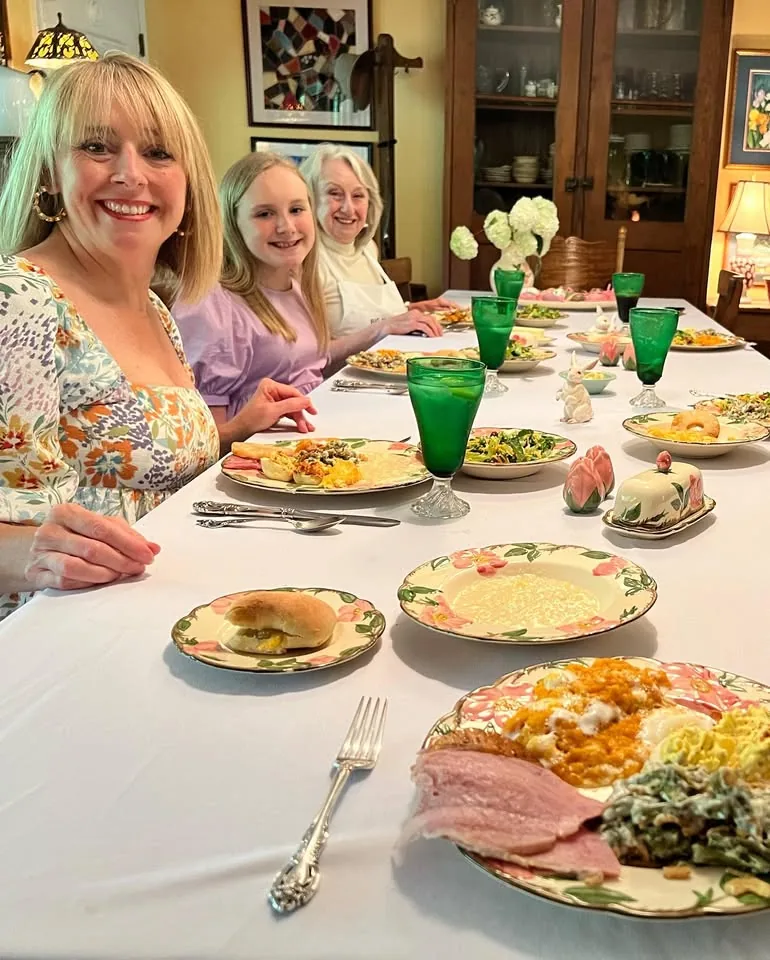
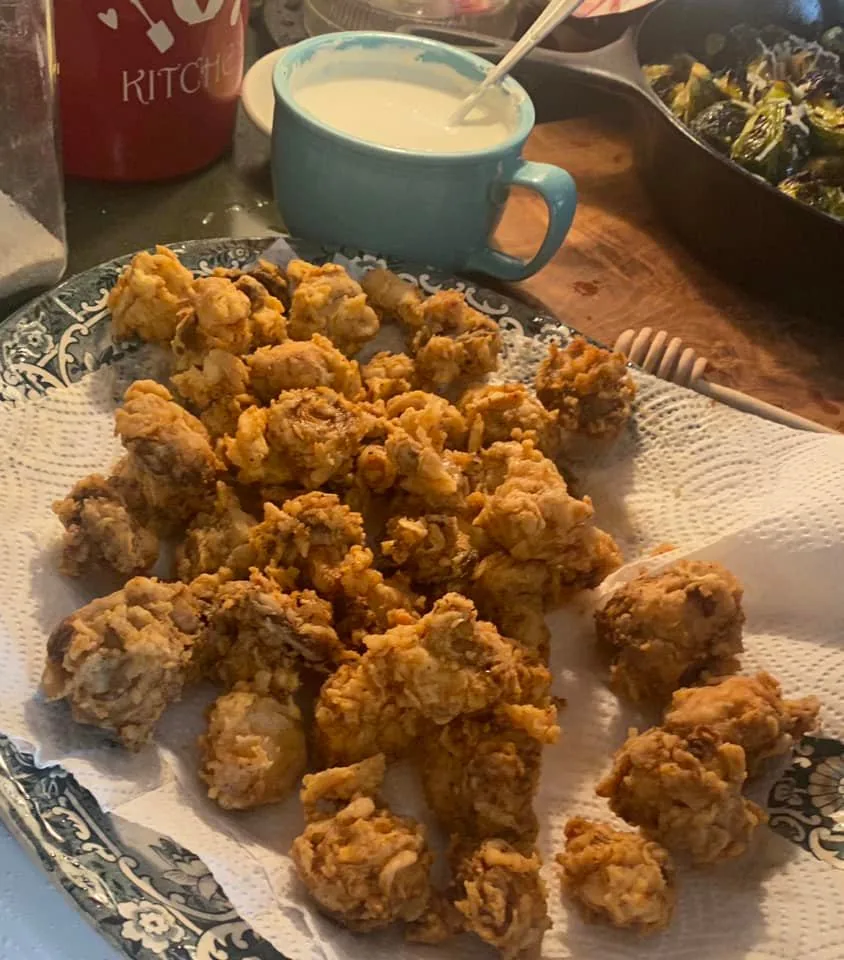
The strongest kitchen photographs are busy rather than perfect. There are dishes in progress, people leaning in, plates being carried, and food ready to leave the counter. The point is not presentation for its own sake. It is the small moment when work becomes hospitality.
A dish has done its job when someone wants to pull up a chair.
A plate held close to the camera turns finished food into a personal invitation.One person demonstrates while another learns by doing.The conversation around the work can become as memorable as the recipe.A generous platter carries the marks of hand-shaped, home-cooked food.Several dishes, several places, and room to linger.Ordinary meals become history when someone remembers to take a photograph.
3. The Garden Before the Meal
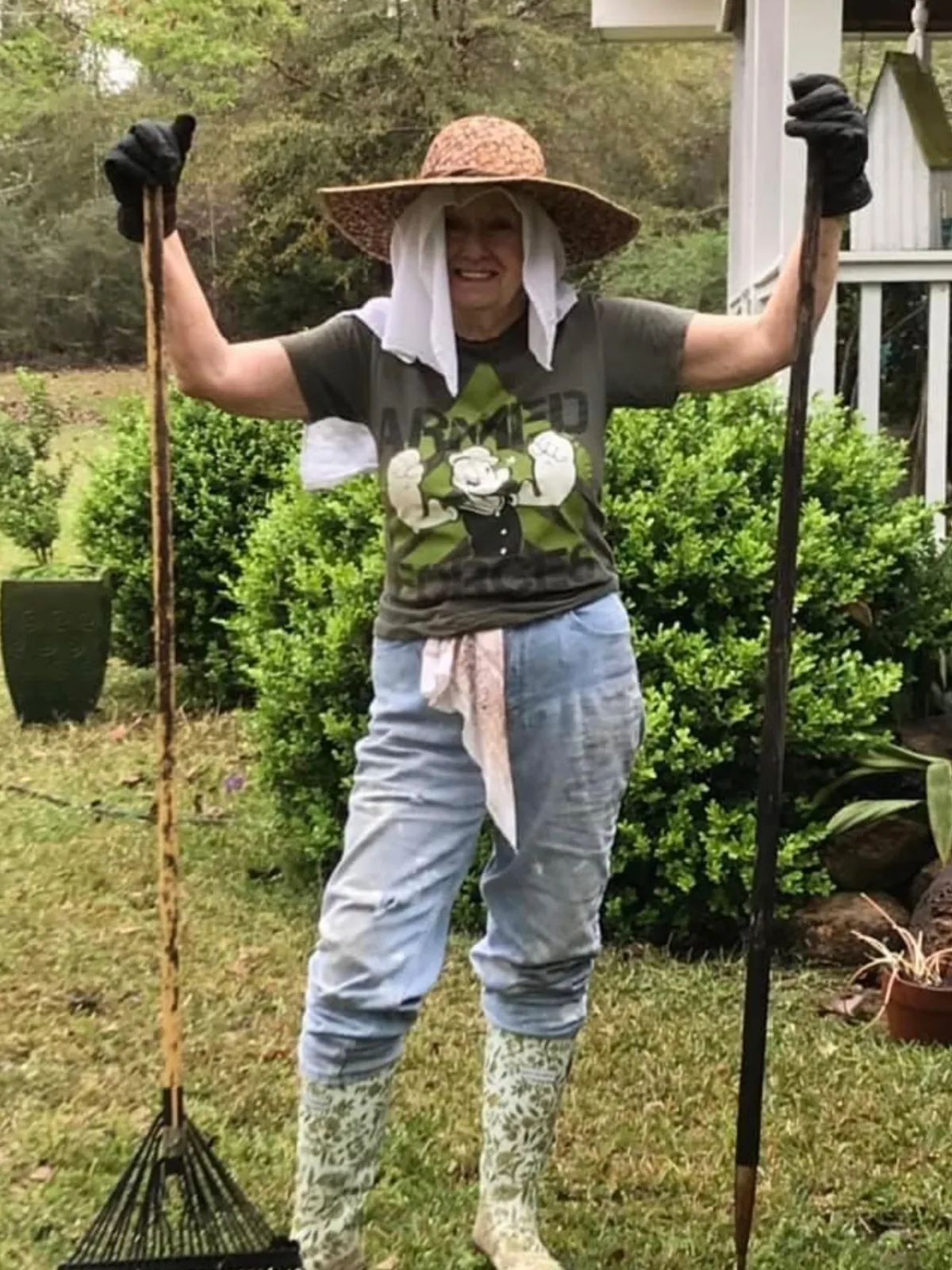
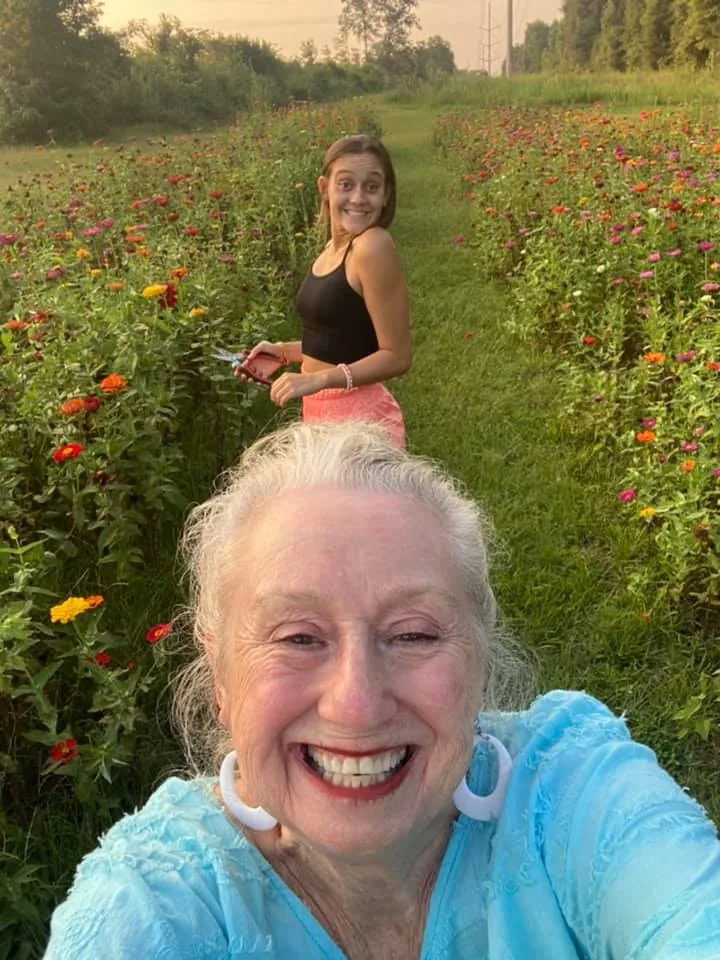
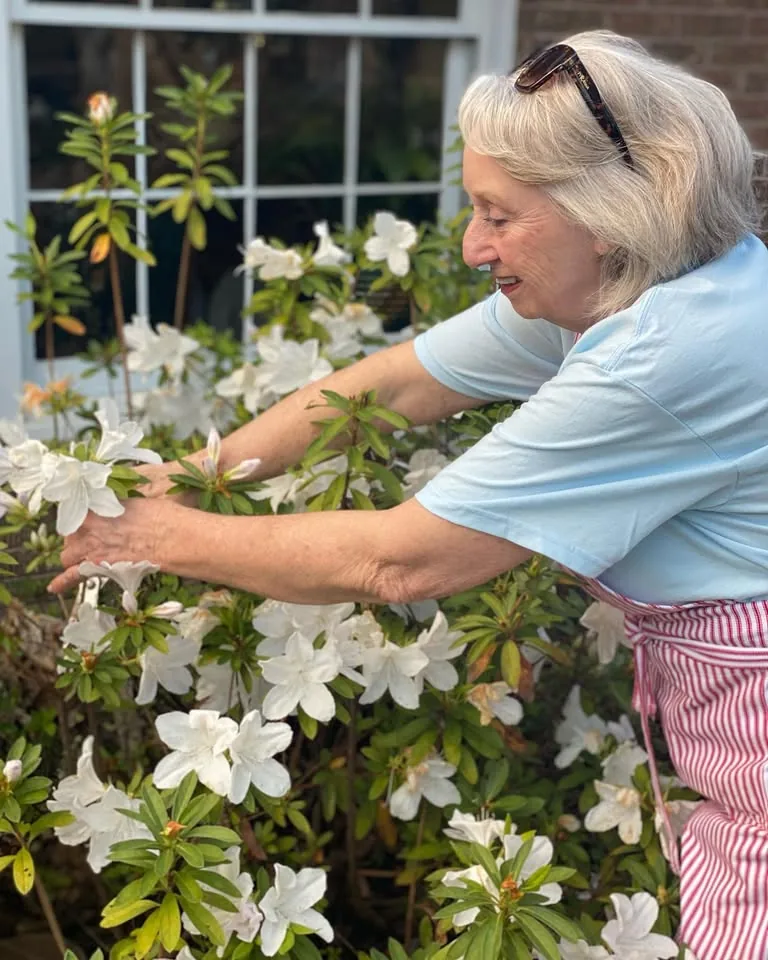
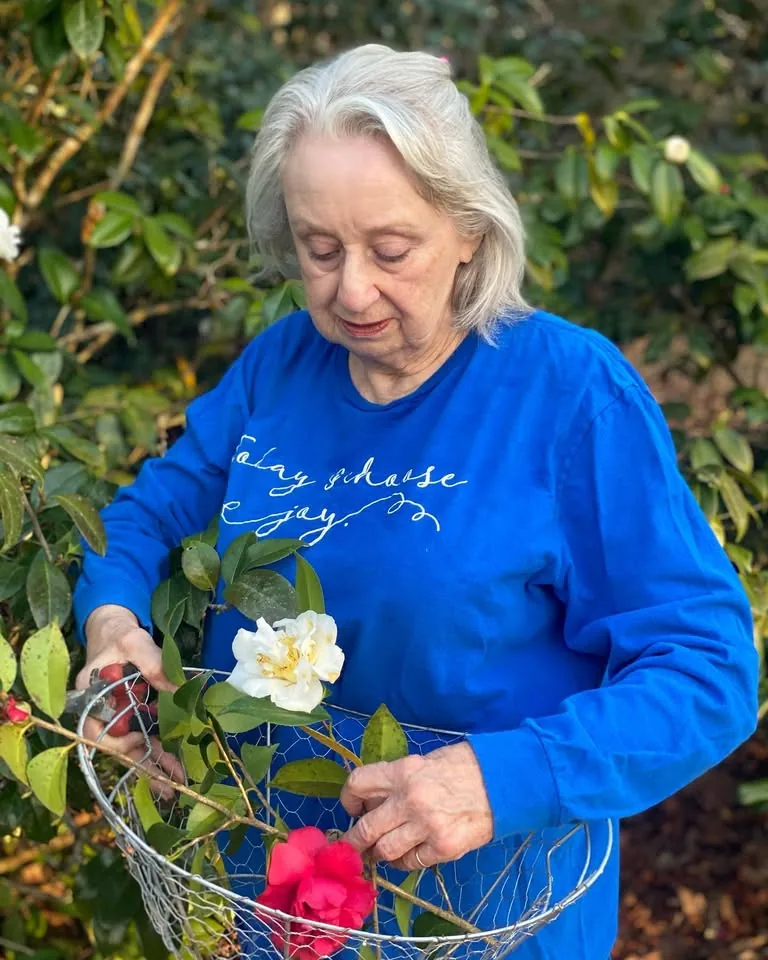
Food begins long before a skillet is hot. In the garden photographs, the rhythm is slower: inspect a bloom, cut what is ready, carry a basket, then return tomorrow. Gardening is repetition, attention, physical work, and delight in small changes.
Fresh beans, tomatoes, herbs, flowers, and fruit belong to a cycle of tending and sharing—not merely to a styled countertop.
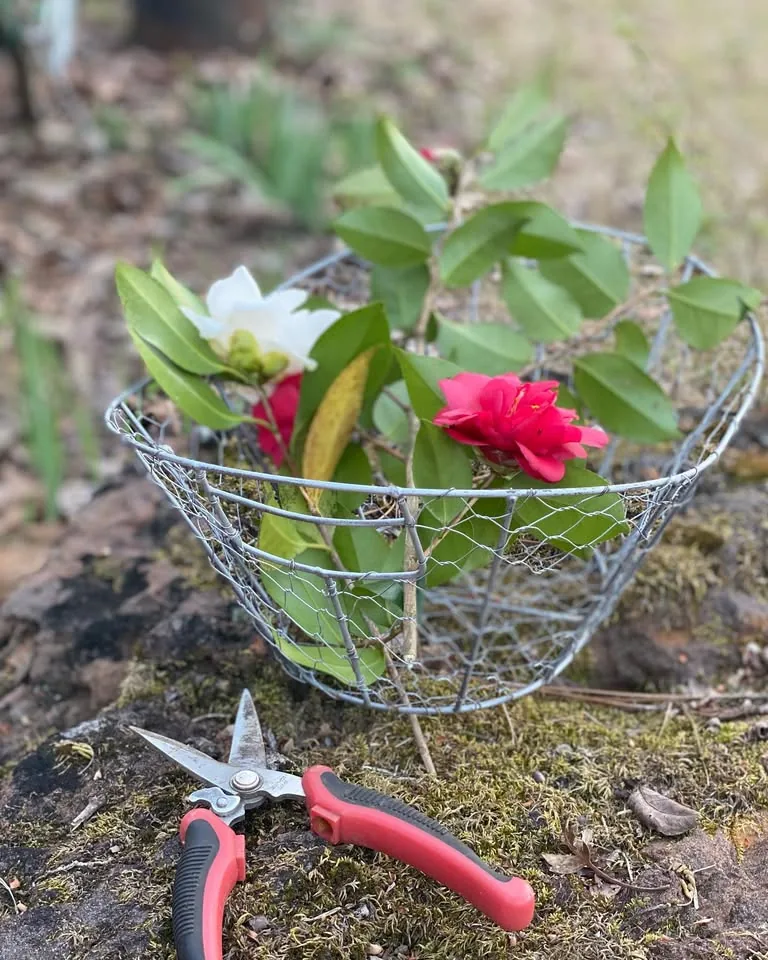
Garden work asks for practical clothes, useful tools, and a willingness to get into the dirt.A single bloom becomes a small celebration of patient tending.The wider landscape places everyday joy outside the kitchen walls.Checking, trimming, and touching the leaves: quiet labor behind a healthy garden.What is gathered can become food, a centerpiece, or a gift.Tools, stems, and a wire basket tell the story after the gardener leaves the frame.
4. Reasons to Gather
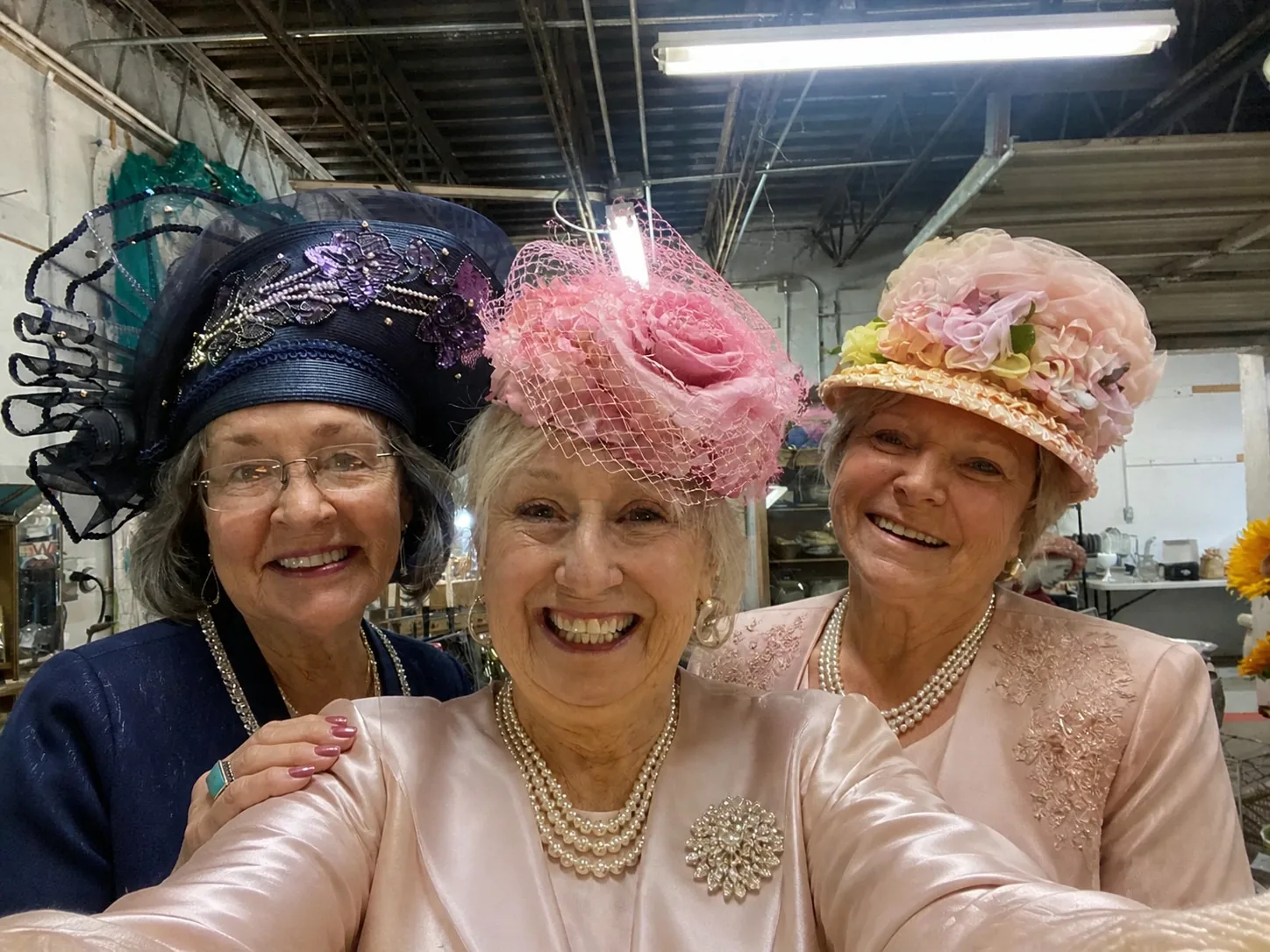
The archive moves easily from everyday clothes to hats, cakes, and carefully set tables. Those shifts share one theme: people make occasions for one another. A cake, a joke, or a playful portrait gives the next gathering a story to retell.
Friendship can be playful and entirely comfortable with being a little silly.A homemade celebration makes the kitchen part of the occasion.Wood, shade, trees, and a porch-like pause give the story a physical setting.
5. Photographs as a Family Table
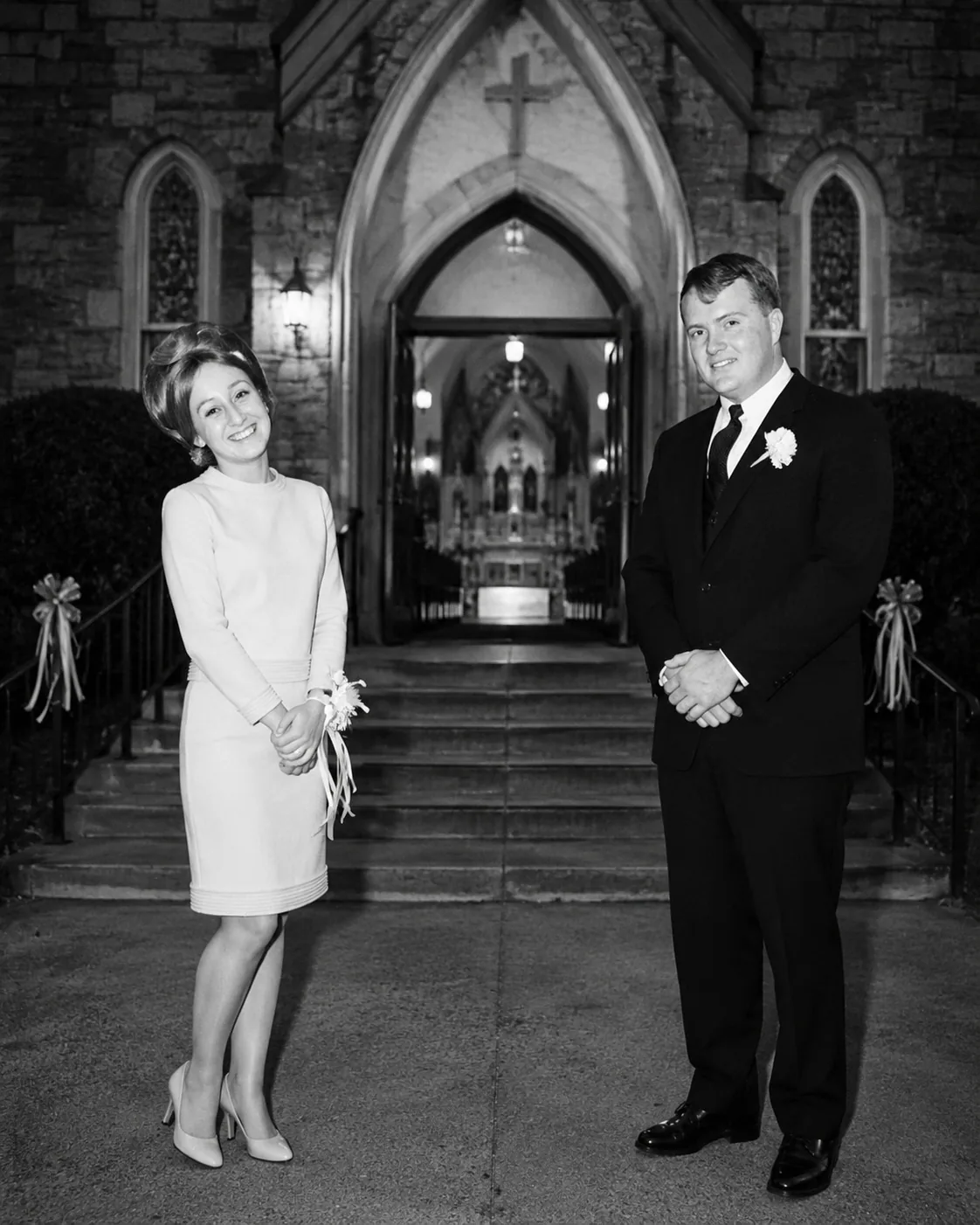
Old photographs ask readers to slow down. Clothing, rooms, hairstyles, and image grain record a particular time, while gestures of closeness remain familiar. Set beside present-day portraits, they make a visual table where different decades can sit together.
The lasting lesson is the value of saving ordinary evidence: the meal, the garden, the face across the table, and the photograph someone thought to keep.
A formal portrait preserves a milestone and the visual language of its era.The younger portrait gains meaning beside the life documented decades later.The final frame returns to the present: still active and still connected through stories.
Rights and attribution: These photographs were supplied for this project. Their inclusion is editorial and provisional. Before commercial publication, verify ownership, permission, identities, and whether consent is required—especially for minors or private gatherings.