A Kitchen Built Around Good Food
A rolling pin, a flour-marked apron, and a plate ready to share reveal something recipes alone cannot: the kitchen is both a workplace and a gathering place.
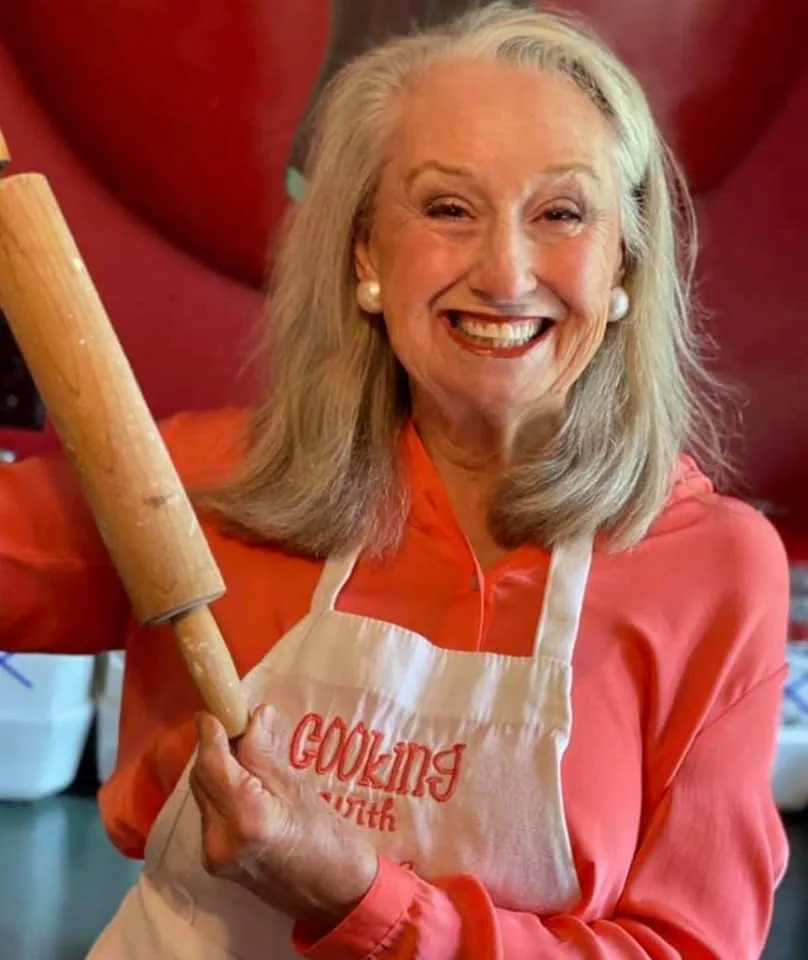
The welcome begins before the food
The first photograph is full of direct, cheerful energy. Brenda faces the camera in a bright red shirt and apron, holding a rolling pin that looks made for use rather than display. The image does not need an invented occasion to tell a story. It presents a cook ready to work and a host pleased to have company in the room.
That combination helps explain the appeal of home-cooking photographs. A finished dish can be beautiful, but seeing the person and ordinary tool behind it makes the food feel attainable. The rolling pin points toward biscuits, dumplings, pastry, and all the repeated motions through which a cook learns by touch.
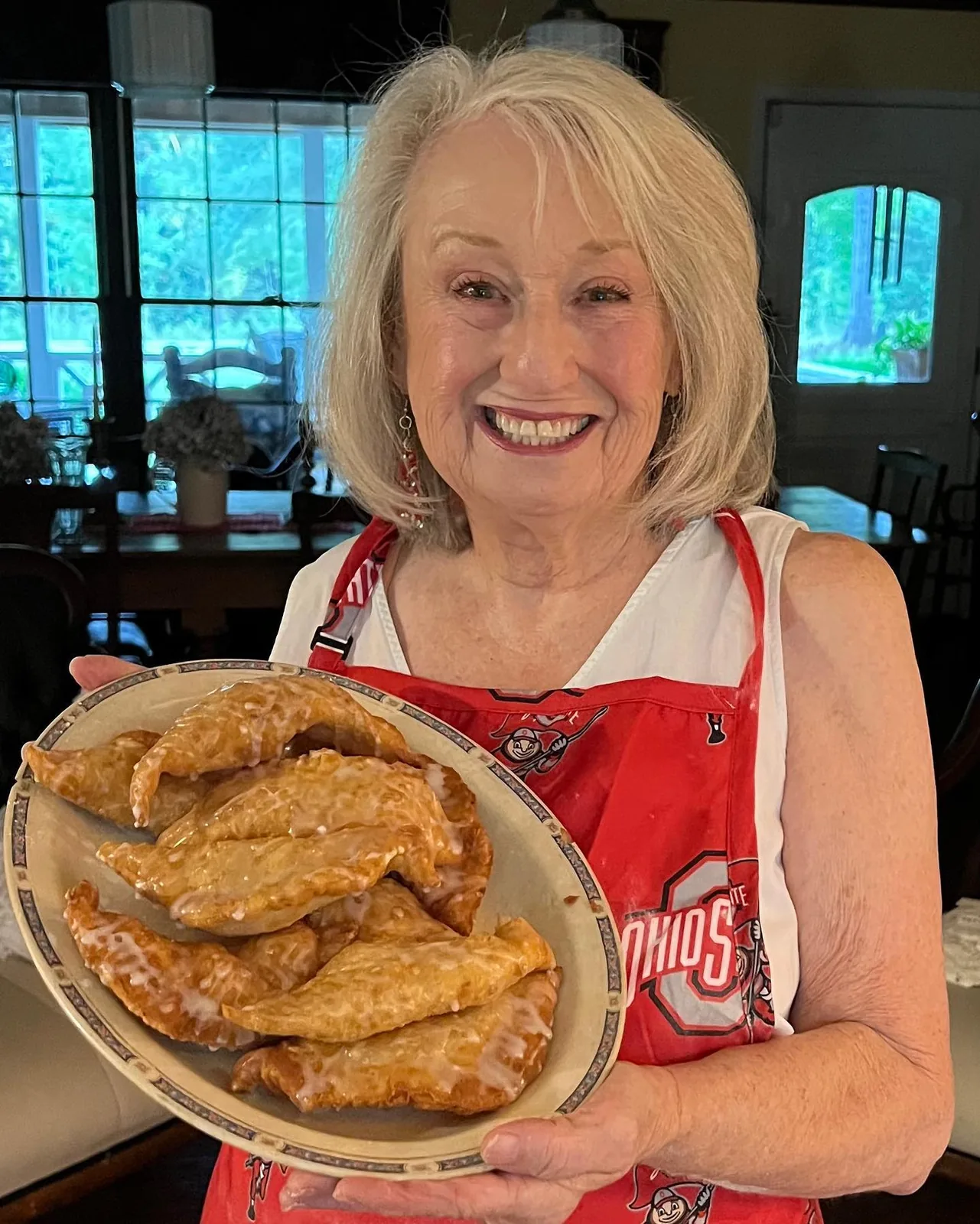
A plate carries the work forward
In the next image, the emphasis shifts from the cook to what has been prepared. A generous plate held close to the camera feels less like a formal presentation and more like an invitation: come see what is ready. Food is not complete when it leaves the pan; it becomes meaningful when someone offers it.
The photograph also shows why useful recipe writing should describe more than ingredients. Readers need to know how browned is brown enough, how thick a filling should feel, and when a crust has truly set. Those observations connect an attractive final plate with the work that produced it.
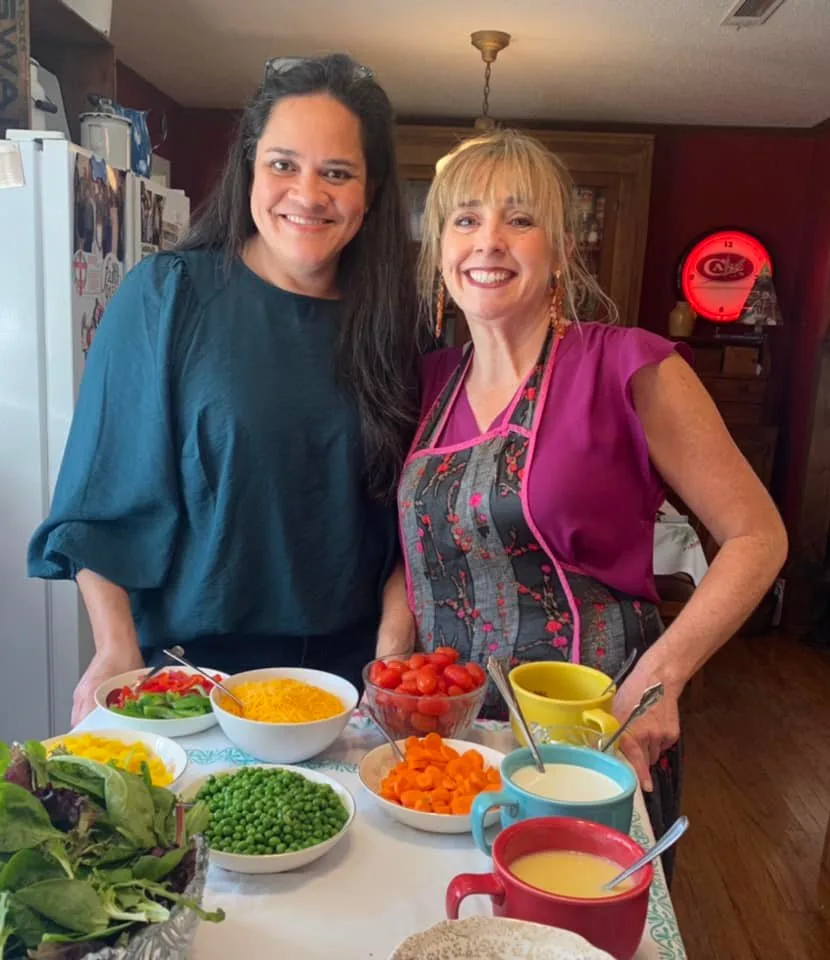

The ordinary tools matter
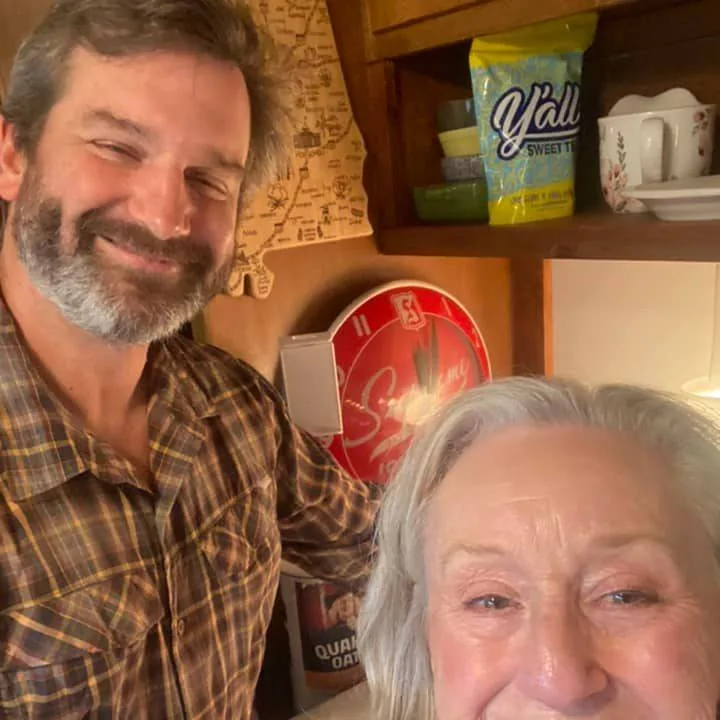
Well-used bowls, skillets, spoons, and rolling pins give a kitchen continuity. Their value is not nostalgia alone; familiar tools help a cook notice small changes in dough, heat, and timing. A favorite skillet communicates through sound. A biscuit cutter becomes part of a practiced rhythm. Confidence grows from repeating everyday actions.
That is why this story pairs portraits with process photographs. Together they show a fuller sequence: readiness, work, presentation, and gathering. No private event needs to be invented. The visible details already suggest a kitchen in which cooking is practical, expressive, and closely tied to people.
What readers can carry home
A welcoming kitchen does not require professional equipment or perfect styling. It needs a clear work surface, a few dependable tools, recipes written with care, and enough attention to notice what the food is doing. Preparing one component ahead can make room for conversation. Cleaning as the pot simmers can make serving calmer. Warming the platter can keep supper comfortable while everyone sits down.
The strongest lesson in these photographs is simple: good food and warm hospitality reinforce each other. The meal gives people a reason to gather, and the gathering gives the cooking a purpose beyond the plate.