From Garden to Southern Table
Among white blossoms and green leaves, working hands tell the beginning of a food story—one shaped by seasons, care, and the habit of noticing what is ready.
A garden asks for attention
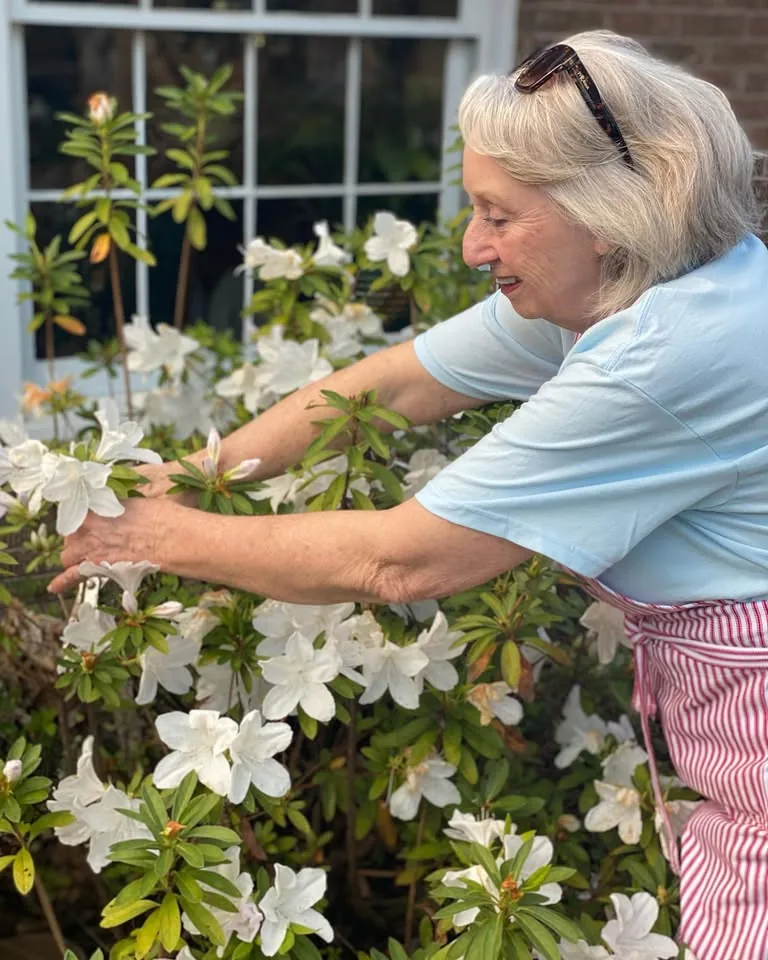
The opening photograph captures active work rather than a posed garden portrait. Brenda leans into a flowering shrub, reaching with both hands while the plants fill most of the frame. The scene suggests what every gardener knows: beauty and abundance depend on regular, close attention.
That attention has a natural connection to cooking. Gardeners learn to read color, firmness, fragrance, weather, and timing. Cooks make similar judgments at the stove. A written time is useful, but looking, touching, and tasting reveal when a tomato, pot of beans, or pan of cornbread is truly ready.

Cooking follows the season
A garden does not deliver everything at once. Spring herbs and tender greens invite lighter meals. Summer brings tomatoes, corn, okra, peppers, and beans that need little embellishment. Later harvests encourage soups, slow-cooked vegetables, preserves, and dishes designed to stretch abundance into another season.
This rhythm offers a useful way to plan a home kitchen. Begin with what looks best, then choose a technique that respects it. Crisp green beans may need only brief cooking; mature collards benefit from patience. Ripe tomatoes belong in a simple pie or on a plate with salt, while less perfect fruit can enrich a sauce.
From hands outdoors to hands in the kitchen
Garden work makes the labor behind ingredients visible. Soil must be prepared, plants watered, weeds managed, and produce gathered before heat or a recipe enters the story. Washing is the bridge between those spaces: grit leaves tender greens, insects are checked away, and herbs are dried carefully so they keep their fragrance.
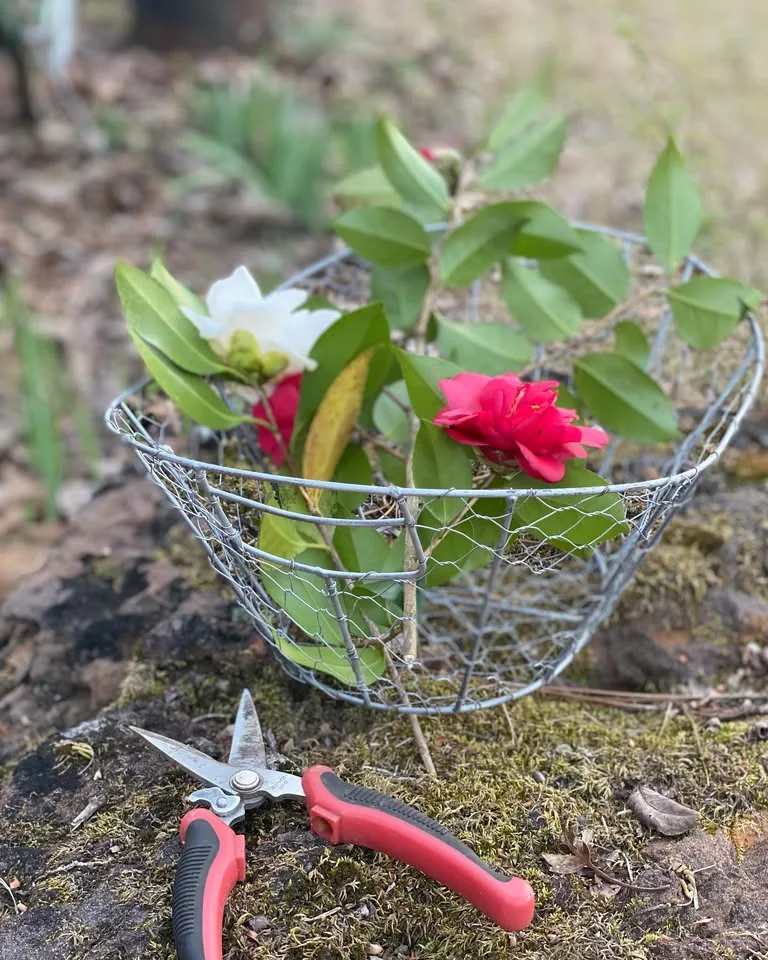
A harvest basket also encourages flexibility. If there are only a few okra pods, they can join tomatoes rather than become a full fried dish. Extra herbs can flavor butter or be frozen. A large crop of beans can be shared, cooked for company, or preserved safely using a tested method.

The table completes the cycle
Serving garden food does not require elaborate decoration. A bowl of vegetables, warm bread, and something cool to drink can express the season clearly. Flowers or herbs from outside may become a simple centerpiece, connecting the room back to the place where the meal began.
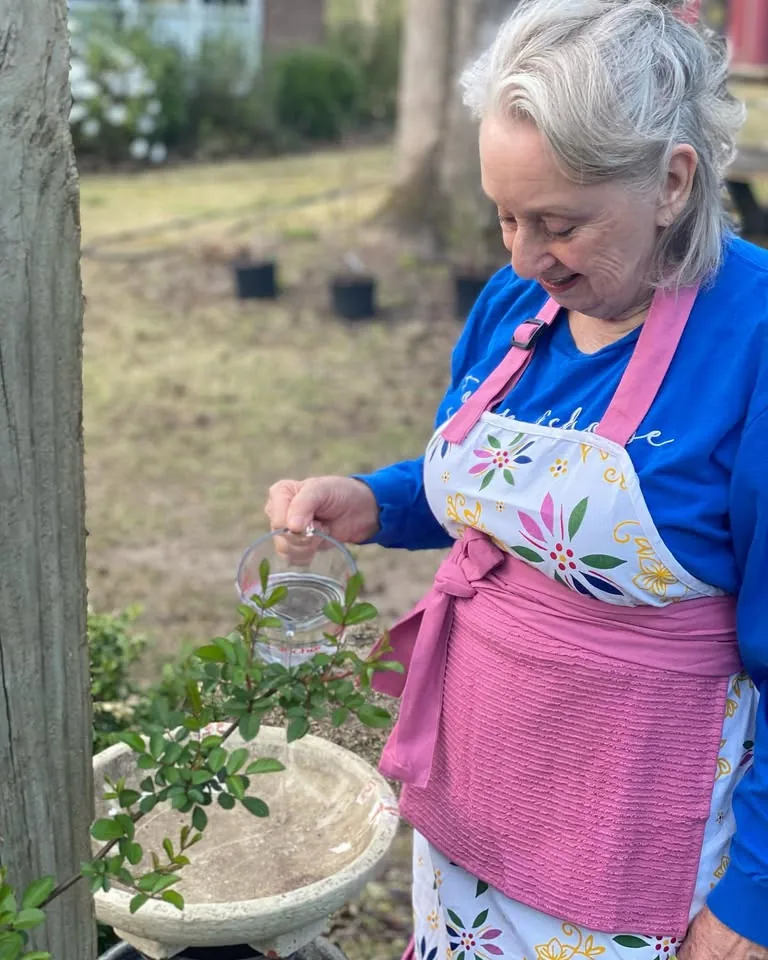
The photographs make a complete sequence when viewed together: tending, observing, gathering, and sharing. They invite readers to see recipes not as isolated instructions but as one part of a larger routine. Even without a large garden, a pot of herbs, a farmers’ market visit, or close attention to seasonal produce can bring that same awareness into daily cooking.