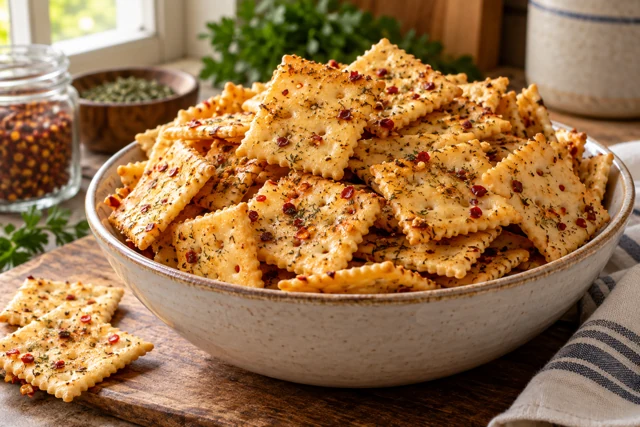
Alabama Firecrackers
Ranch-seasoned saltines with red-pepper heat: a crisp, savory snack for soup nights and sharing bowls.
View recipe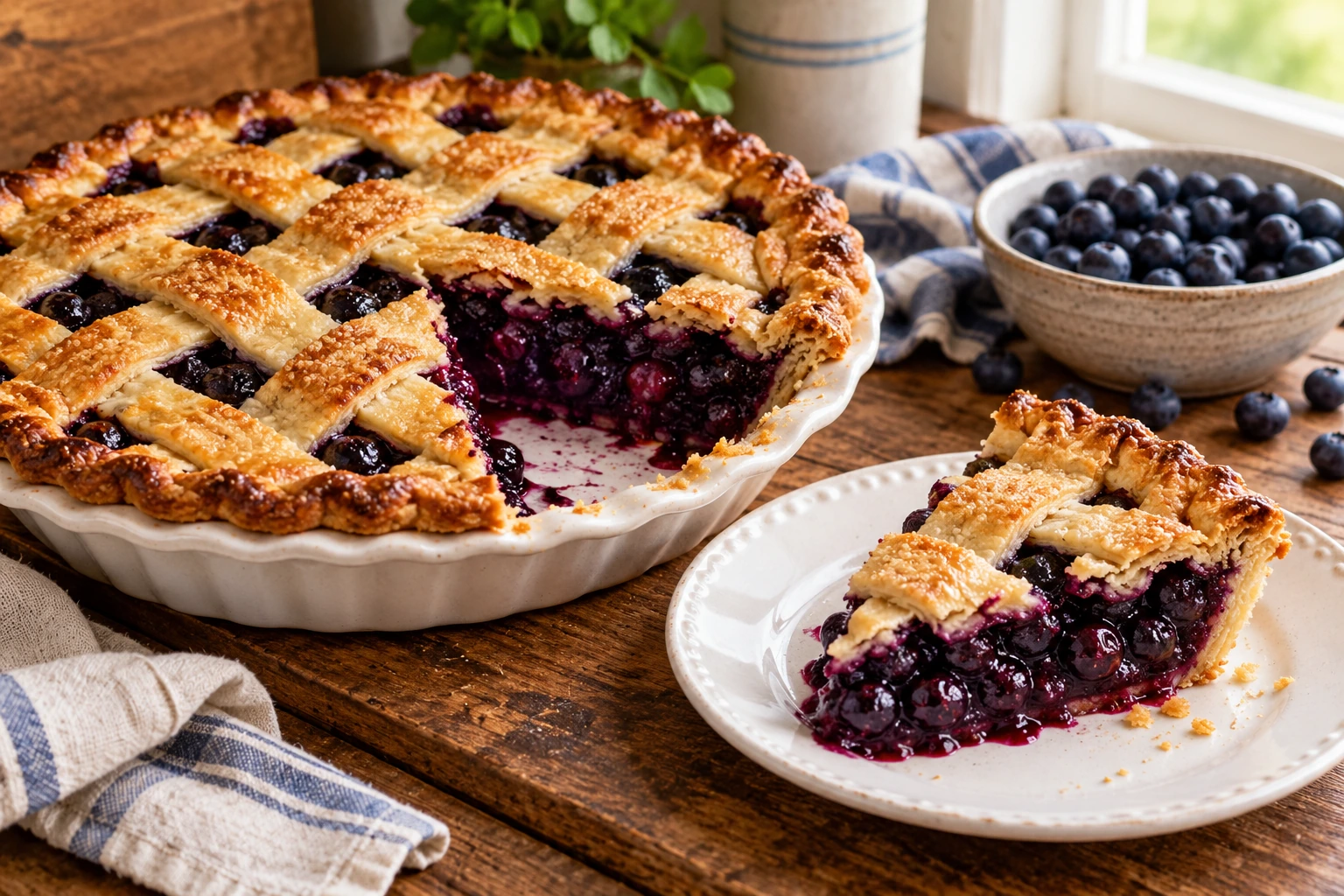
A buttery lattice crust over fresh blueberries, with a bubbling violet filling and a crisp sugared top.
A guide adapted from a published recipe. View source & credits.
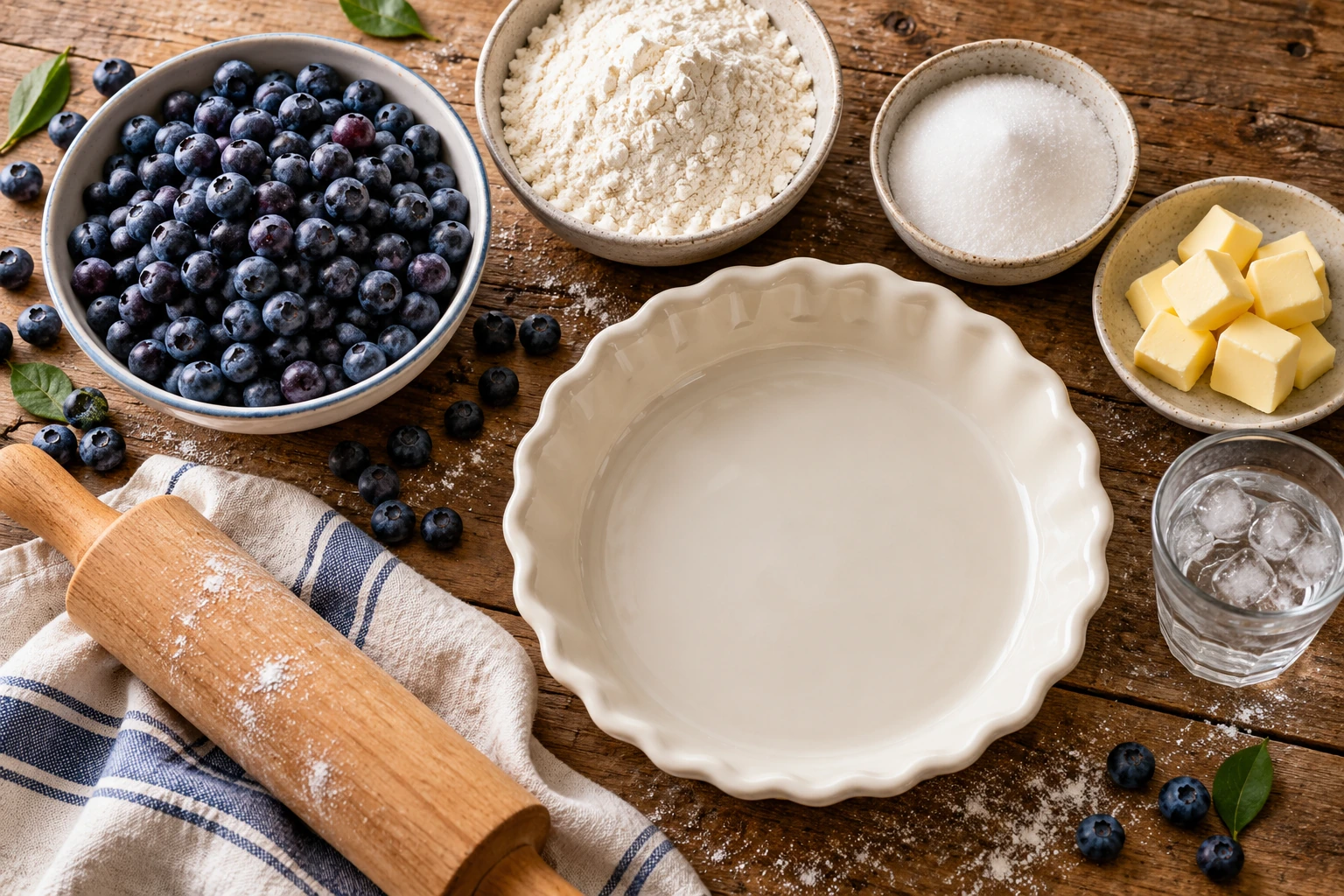
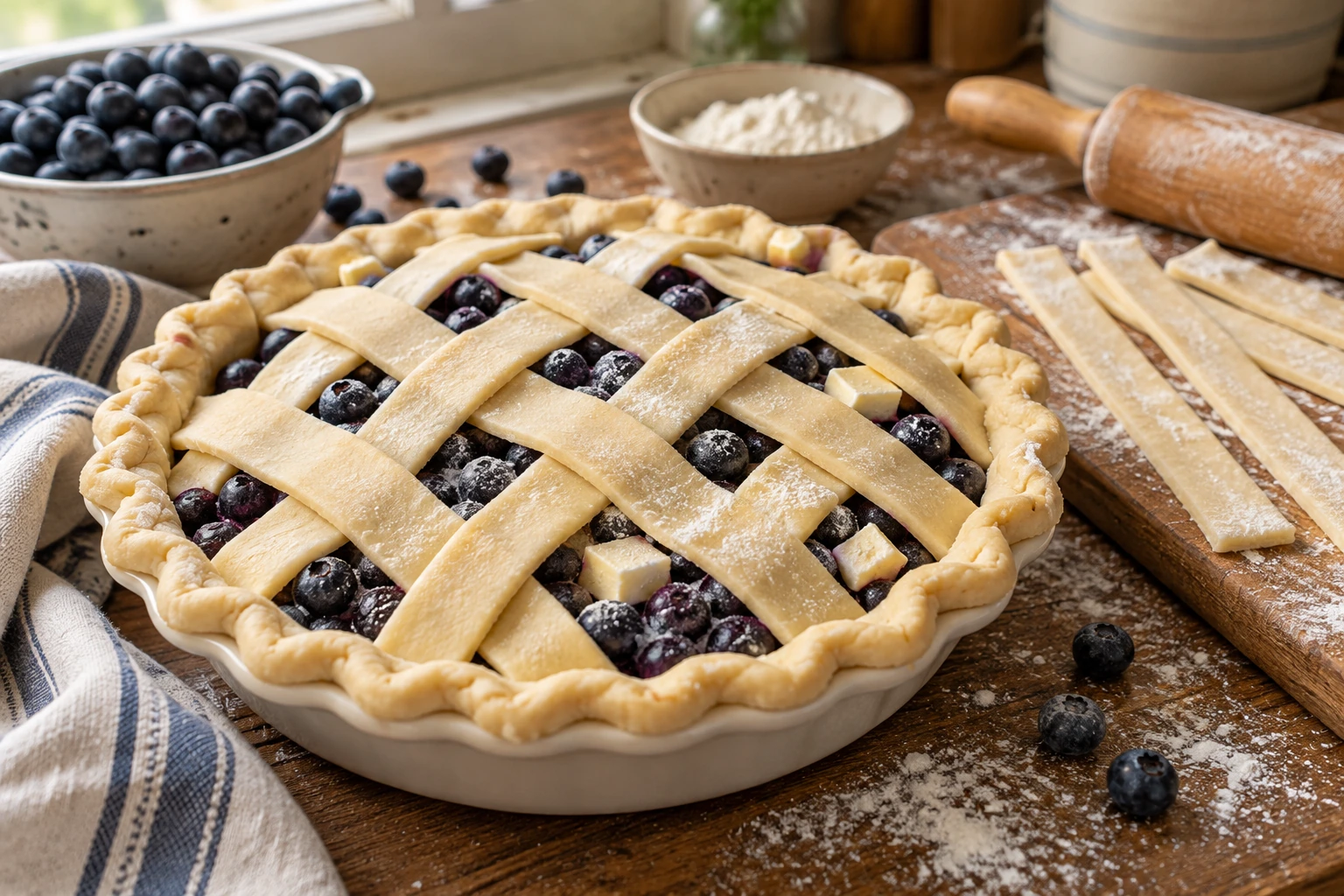
AI-generated illustrations of ingredients, preparation, and the finished dish. Tap any image to view it in full.
A lattice blueberry pie shows off the filling as much as the pastry. The goal is a browned top with visible, bubbling berries underneath, followed by a cooling period that allows the juice to settle. Cutting immediately from the oven can make even a properly baked fruit pie look much looser than it really is.
This guide follows the published approach of coating damp blueberries with flour and shaking off the excess. The full cup used for coating is not meant to be dumped into the pie. The source gives color as its baking cue rather than an exact number of minutes, so the timing here is a planning range rather than a guarantee.
Sort through the blueberries, discarding stems, damaged berries, and any that have spoiled. Rinse and let them drain. They need to remain slightly damp for the flour-coating method, but they should not be sitting in a bowl of rinse water. Use fresh berries for the closest match to this version.
Keep the pastry butter separate from the 8 tablespoons used in the filling and on top. The pastry calls for room-temperature butter and ice water. Measure these carefully and lightly flour the rolling surface. Have a 9-inch pie dish and a rimmed baking sheet ready to catch any overflow.
The cup of flour is for tossing the damp berries. Shake off loose flour rather than emptying the coating bowl into the shell.
Hot berry juice runs freely. A cooling period makes neater slices. Put a rimmed baking sheet under the pie to catch drips, and loosely shield edges if they brown before the center is ready.
Watch for the filling to bubble where the thickener can activate. Allow the pie to cool before slicing to avoid a runny center.
A buttery lattice crust over fresh blueberries, with a bubbling violet filling and a crisp sugared top.
Times and yields are estimates; use the cooking cues in the instructions.
Heat the oven to 350°F (175°C). Mix the pastry flour, room-temperature butter, and teaspoon of sugar by hand, then work in the 5 tablespoons ice water. Bring the mixture together into a dough without extended kneading. The aim is a workable pastry, not a smooth bread-like dough.
Lightly flour the work surface and rolling pin. Roll the dough to approximately ⅛ inch thick, rotating it as you go so it does not stick. Ease it into the pie dish without stretching it tightly across the corners. Trim excess dough while leaving enough at the rim to seal the lattice.
Gather the pastry trimmings, press together gently, and roll into a circle about 10 inches across. Cut into approximately 10 strips for the lattice. Keep them cool enough to lift without tearing. If the kitchen is warm and the pastry becomes greasy, a brief rest in the refrigerator can make handling easier.
Put the drained, slightly damp blueberries in a bowl with the coating flour and toss gently. Lift them out, allowing loose flour to fall back into the bowl. Add the coated berries to the pastry shell. Do not pour the bowl of leftover flour into the pie.
Distribute the ¾ cup sugar over the berries as evenly as possible. Cut 4 tablespoons of the filling butter into small pieces and scatter across the fruit. Spread the berries into an even layer so the lattice sits over a reasonably level filling rather than a tall mound on one side.
Lay half the pastry strips across the pie, then weave the remaining strips in the other direction by folding alternating strips back as needed. Press strip ends into the rim and crimp to seal. Spread the remaining 4 tablespoons butter over the top pastry and sprinkle lightly with sugar.
Place the pie on the rimmed baking sheet and bake at 350°F. Begin checking around 50 minutes; 50 to 70 minutes is a suggested range. Look for golden pastry and bubbling fruit juice visible through the lattice. If the rim darkens early, shield it loosely with foil while the center finishes.
Move the pie to a rack and allow it to cool before slicing, ideally about 2 hours for a cleaner cut. Use a sharp knife and lift with a broad pie server. The filling may still be softly set rather than firm like a gelatin dessert. Add ice cream only to portions being served immediately.
Too much loose coating flour may have gone into the shell. Shake the berries gently before adding them, leaving the excess behind. Also make sure the filling has had enough time to bubble during baking; a browned top alone does not confirm the fruit layer has cooked through.
Lift and rotate the dough frequently, using a little flour to prevent sticking. Small tears can be patched with a scrap of pastry. If it feels overly soft and greasy, chill briefly rather than working in a large amount of additional flour.
The pie may still be too hot, or the berries may have been especially juicy. Give the rest of the pie more cooling time. If you enjoy it warm, serve in shallow bowls and treat the softer filling as part of that presentation.
Serve plain, with vanilla ice cream, or with a little unsweetened whipped cream as a separate accompaniment. A room-temperature slice is easier to portion than a hot one. When making the pie ahead, cool it and refrigerate covered; warm individual slices gently if desired. Avoid adding ice cream before storage, because it melts into the pastry and changes the texture.
Cover and refrigerate leftovers; use within 3 to 4 days. Rewarm slices gently if desired and add ice cream only when serving.
It specifies baking until the crust is golden. Our 50 to 70-minute window is an estimate; watch the crust and bubbling filling.
A suitable double-crust pastry is a convenient substitute. This changes the crust from Brenda’s published homemade version.
Adapted from Brenda Gantt’s Fresh Blueberry Pie and accompanying pastry in Birmingham Christian Family. Dish size, timing range, cooling, and yield are editorial estimates.
Read the published source recipe
Instructions are rewritten for this site and have not yet been kitchen-tested by our team. Technique, storage and serving notes are Brenda’s Family editorial guidance, not quotations from Brenda; ingredient quantities follow the linked source and timings are approximate.
Ranch-seasoned saltines with red-pepper heat: a crisp, savory snack for soup nights and sharing bowls.
View recipe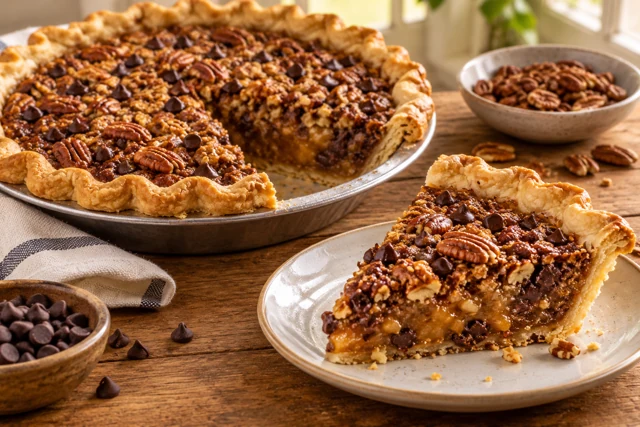
A rich baked pie with granola, pecans, and chocolate chips in a buttery brown-sugar filling.
View recipe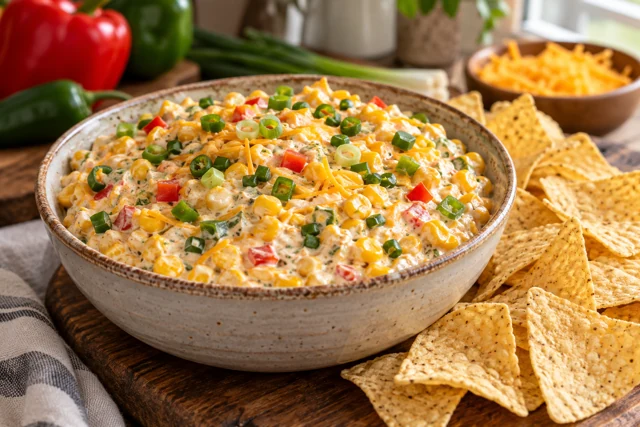
A colorful chilled dip with sweet corn, Cheddar, peppers, green onions, and a jalapeño kick.
View recipe