Why Rice Pudding Belongs on a Southern Table
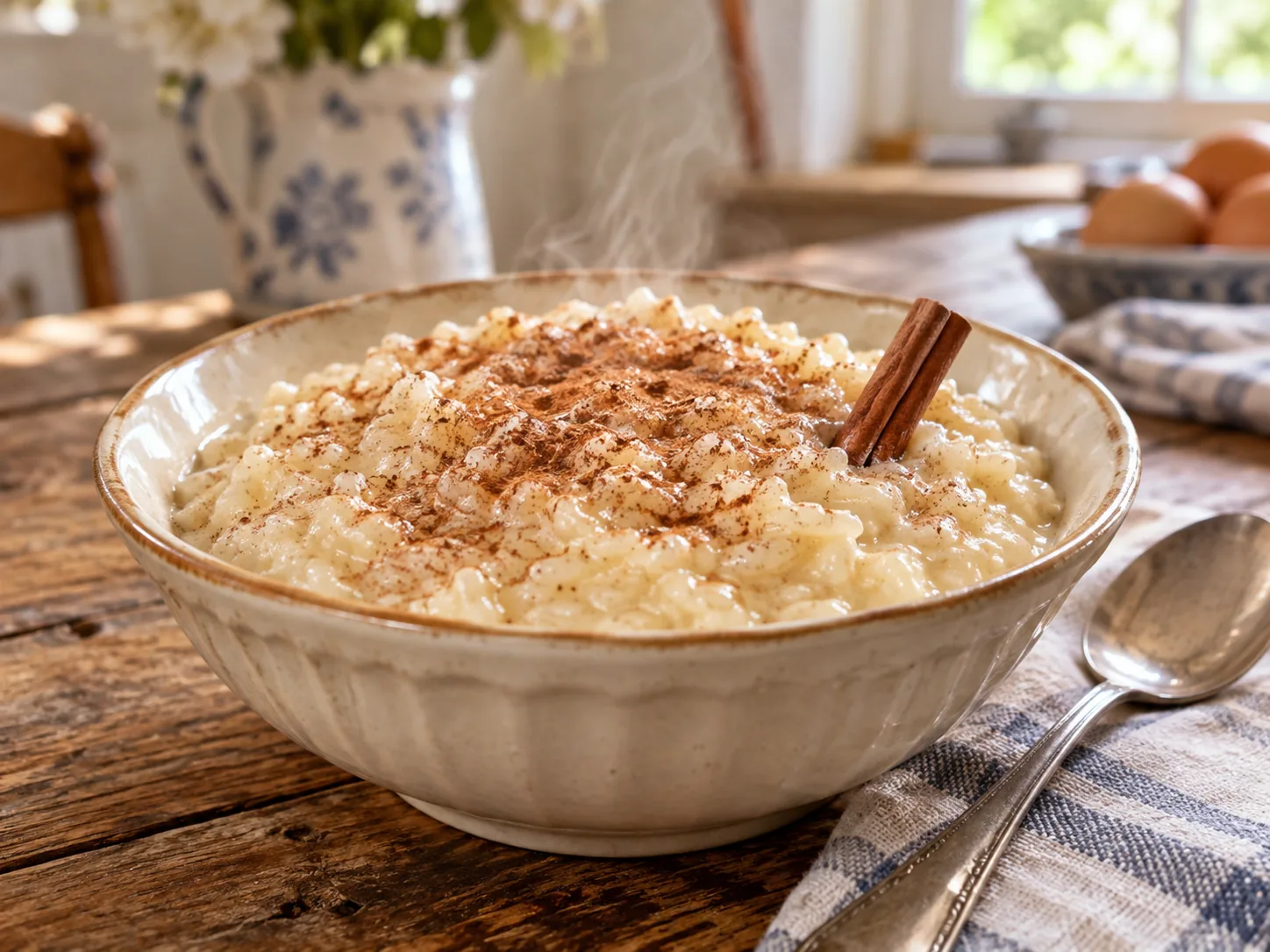
Rice pudding is humble in the most comforting way. It turns cooked rice, milk, eggs, and sugar into a dessert that tastes as though someone tended it especially for you. Served warm, it is soft and soothing after supper; chilled, it becomes a cool custard that is welcome on a hot afternoon. This stovetop version keeps the method approachable and makes good use of leftover rice without tasting like an afterthought.
Many families have their own idea of the “right” rice pudding. Some bake it until a browned skin forms, some begin with raw rice, and others use condensed milk. Here, cooked long-grain rice simmers in whole milk before tempered yolks enrich the base. The result sits between loose porridge and firm custard: creamy enough to settle softly from a spoon, yet textured enough that every grain remains recognizable.
Start With the Right Rice
Plain cooked long-grain white rice gives this pudding a familiar Southern character. Day-old rice is ideal because its grains are firm and separate, ready to absorb flavored milk without dissolving. Fresh rice also works; spread it on a tray for 15 minutes so excess steam escapes. Avoid strongly seasoned rice and remove any dried pieces before measuring.
Two cups of cooked rice is the correct starting quantity—not two cups of dry rice. If preparing rice specifically for dessert, cook about 2/3 cup dry long-grain rice according to its package directions and cool it. Medium-grain rice produces a softer, starchier pudding, while brown rice stays noticeably chewy and needs extra simmering. Use what your family enjoys, but expect the texture and timing to change.
How Milk Becomes a Creamy Sauce
Whole milk provides enough fat for richness without making the pudding heavy. A broad, heavy-bottomed saucepan spreads heat evenly and leaves room for stirring. Combine the rice with 2 1/2 cups milk, sugar, and salt, saving the final half cup for the yolks. Bring the mixture only to a lazy simmer over medium-low heat. Vigorous boiling can scorch the milk and break the rice apart.
Stir every minute or two at first and more frequently as the mixture thickens, sweeping the spoon across the bottom and into the corners. The grains release a little starch while absorbing sweetened milk. After roughly 18 to 22 minutes, the mixture should look creamy and leave a brief trail when a wooden spoon is drawn through the pan. It will still appear looser than the finished pudding because it continues thickening as it cools.
Tempering the Egg Yolks
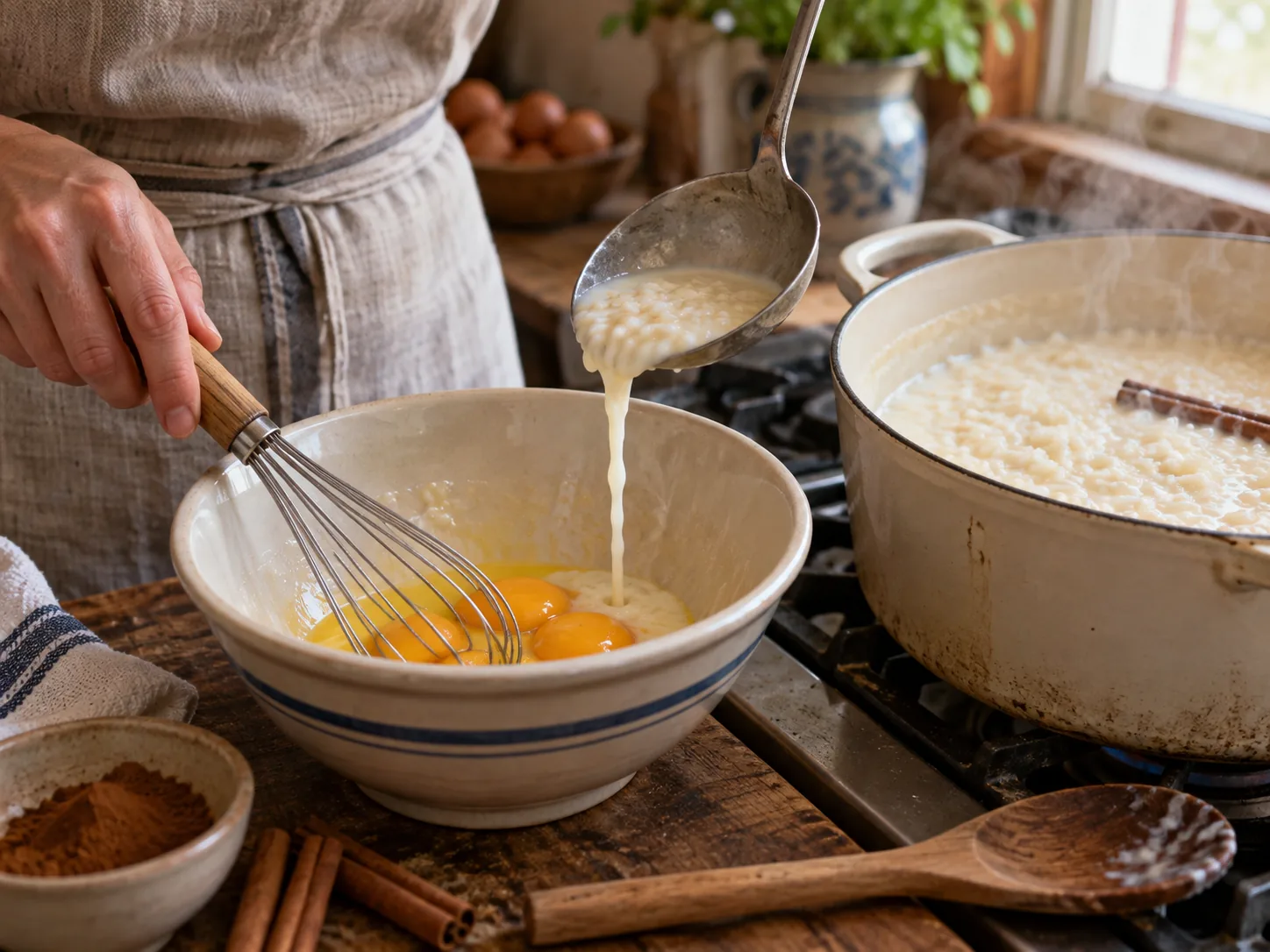
Egg yolks give the pudding its custard-like body and mellow golden richness. Adding cold yolks directly to a hot pan would scramble them, so their temperature must rise gradually. Whisk four yolks with the reserved half cup of milk. While whisking constantly, slowly add about one cup of the hot rice mixture. A ladle is convenient, but a measuring cup works too.
Pour the warmed yolk mixture back into the saucepan and lower the heat. Stir constantly for three to five minutes. Do not let it boil. The pudding is ready when it lightly coats the back of a spoon and a finger drawn through that coating leaves a clean path. If using a thermometer, aim for about 170°F to 175°F. This stage is brief; patient, low heat is safer than trying to hurry it.
Vanilla, Cinnamon, and Butter Come Last
Remove the pan from the heat before stirring in butter, vanilla, and cinnamon. Vanilla's aroma stays brighter when it is not boiled, while butter melts into the custard and rounds out its flavor. Cinnamon can dominate quickly, so half a teaspoon in the pudding plus a light dusting at the table is enough. A small pinch of salt is equally important because it prevents the sweetness from tasting flat.
Golden raisins are optional. They add bursts of fruitiness and are softer in flavor than dark raisins. For especially plump fruit, cover the raisins with hot water for ten minutes, drain thoroughly, and fold them in at the end. Keeping them separate is thoughtful when serving a group because opinions about raisins in rice pudding tend to be strong.
Judge the Texture Before It Cools
Warm pudding should be slightly looser than you ultimately want. Spoonfuls should mound gently and then relax, not stand stiffly. Rice and egg proteins continue absorbing liquid during the ten-minute rest, and refrigeration firms the mixture even more. If the pan looks dry while still hot, stir in milk a tablespoon at a time. If it seems too loose, remember that chilling makes a major difference before extending the cooking time.
For chilled pudding, transfer it to a shallow container and press parchment or reusable food wrap directly against the surface to prevent a skin. Refrigerate within two hours and chill for at least two hours. Before serving, stir gently and loosen with a splash of cold milk. This restores the soft, creamy consistency without diluting the vanilla flavor noticeably.
Common Problems and Simple Fixes
Scorching is the most common problem. It comes from high heat, a thin pan, or pauses in stirring once the mixture thickens. If you smell scorching, immediately pour the unburned pudding into a clean pan without scraping the bottom. Grainy custard usually means the yolks became too hot. Remove the pan from heat and whisk vigorously; a spoonful of cold milk can help stop further cooking.
Pudding that is gluey has generally been boiled hard or stirred so aggressively that the rice broke down. Keep the bubbles gentle and fold rather than beat. A watery puddle around chilled rice can result from undercooked custard or from freezing and thawing. Cook until the sauce coats a spoon and refrigerate rather than freeze for the best consistency.
Serving Ideas
Serve the pudding warm in small bowls with cinnamon and a spoonful of softly whipped cream, or chill it in individual jars for an easy make-ahead dessert. Fresh berries, sliced peaches, toasted pecans, or a little orange zest provide contrast without hiding the custard. For breakfast-style comfort, reduce the sugar slightly and add toasted nuts, though the yolk-enriched recipe should still be treated and stored as a custard dessert.
Make It Your Own
Replace cinnamon with a small pinch of nutmeg, cardamom, or both. Brown sugar brings a light caramel note but also darkens the pudding. For coconut rice pudding, replace one cup of whole milk with full-fat coconut milk and finish with toasted coconut. Lemon or orange zest should be added off heat. Change only one or two flavors at a time so the simple rice-and-vanilla character remains recognizable.
Make-Ahead and Storage
Rice pudding is an excellent make-ahead dessert. Cover and refrigerate it for up to four days, keeping it consistently cold because it contains milk and egg yolks. Portioning it into small covered containers makes serving easy and helps it cool promptly. Stir in a little milk after refrigeration if it has become firmer than you prefer.
Reheat individual portions gently in a small saucepan or microwave at reduced power, stirring frequently and adding a splash of milk. Heat only until warm; boiling can tighten the eggs and damage the texture. Freezing is not recommended because the custard may separate and rice can become spongy after thawing. Fortunately, this modest six-serving batch is usually easy to enjoy within several days.
Jump-to-Recipe Card
Ingredients
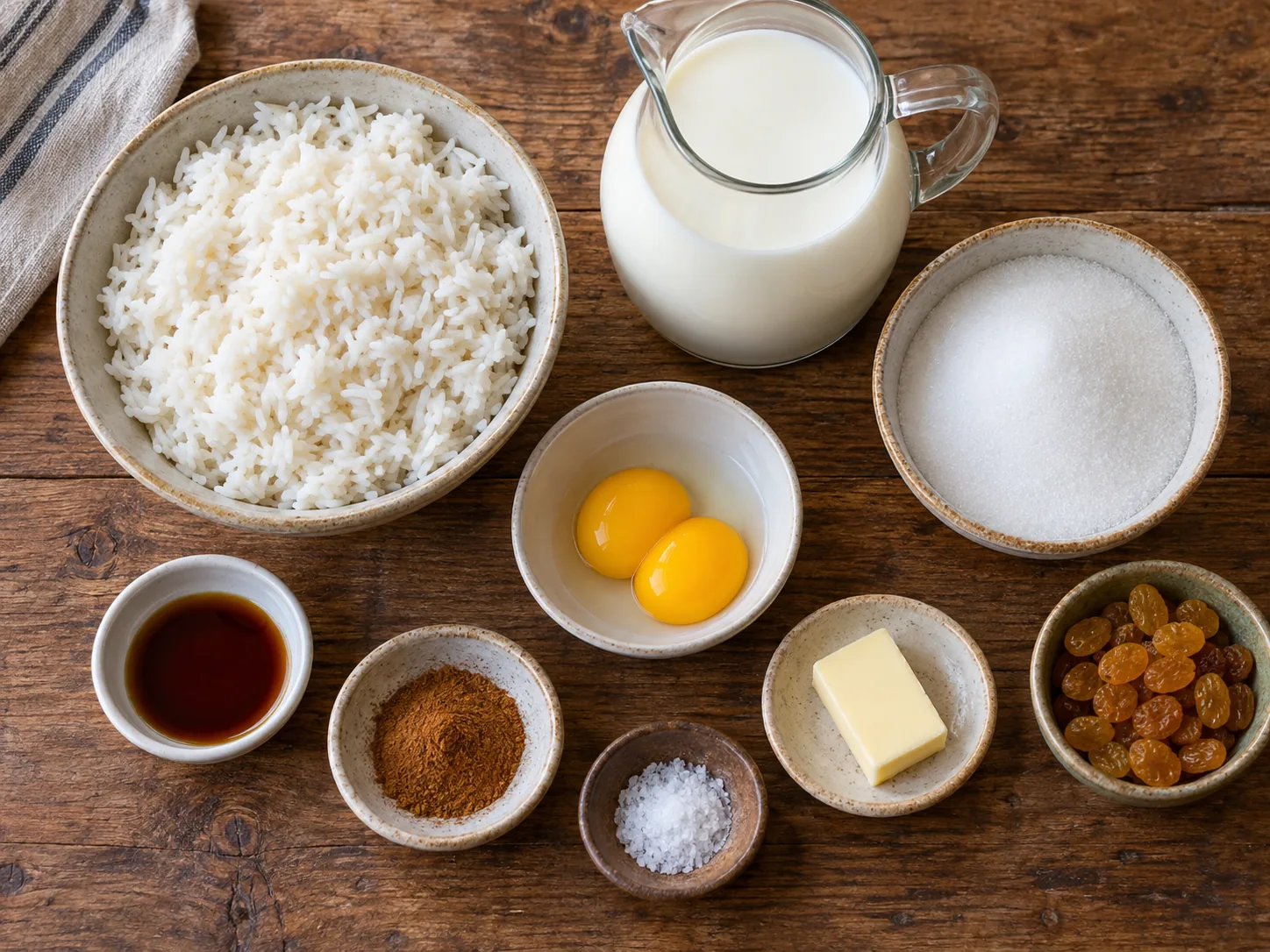
- 2 cups cooked long-grain white rice, cooled
- 3 cups whole milk, divided
- 1/2 cup granulated sugar
- 1/4 teaspoon fine salt
- 4 large egg yolks
- 2 tablespoons unsalted butter
- 2 teaspoons vanilla extract
- 1/2 teaspoon ground cinnamon, plus more for serving
- 1/2 cup golden raisins, optional
Instructions
- Combine the cooked rice, 2 1/2 cups milk, sugar, and salt in a heavy saucepan.
- Cook over medium-low heat for 18 to 22 minutes, stirring frequently and scraping the bottom, until creamy and gently bubbling.
- In a bowl, whisk the egg yolks with the remaining 1/2 cup milk. Slowly whisk about 1 cup of the hot rice mixture into the yolks to temper them.
- Stir the tempered yolk mixture into the saucepan. Cook over low heat for 3 to 5 minutes, stirring constantly, until it coats a spoon. Do not boil.
- Remove from heat. Stir in butter, vanilla, cinnamon, and optional raisins.
- Rest 10 minutes and serve warm, or cover the surface and chill for at least 2 hours. Loosen chilled pudding with a splash of milk as needed.
Calculate
Calculate
Calculate
Calculate
Nutrition values should be calculated from the final tested recipe quantities before publication.