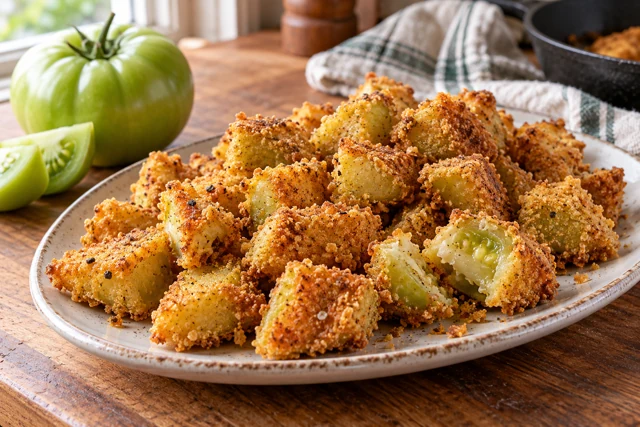
Diced Fried Green Tomatoes
Bite-size green tomato pieces with a crisp cornmeal coating, cooked in small batches and served hot.
View recipe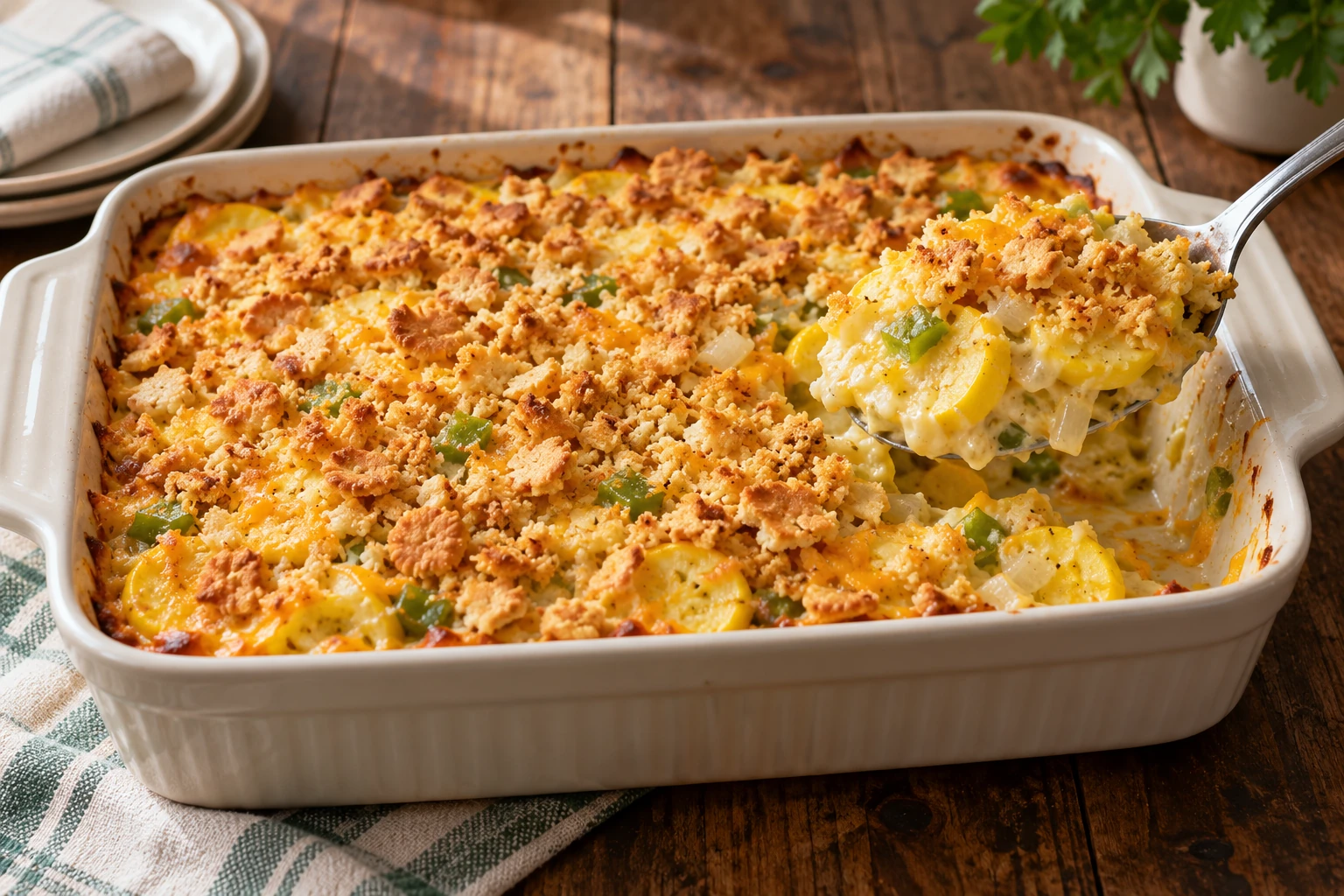
A creamy yellow-squash casserole with tender vegetables, cheese, and a buttery cracker topping.
A guide adapted from a published recipe. View source & credits.
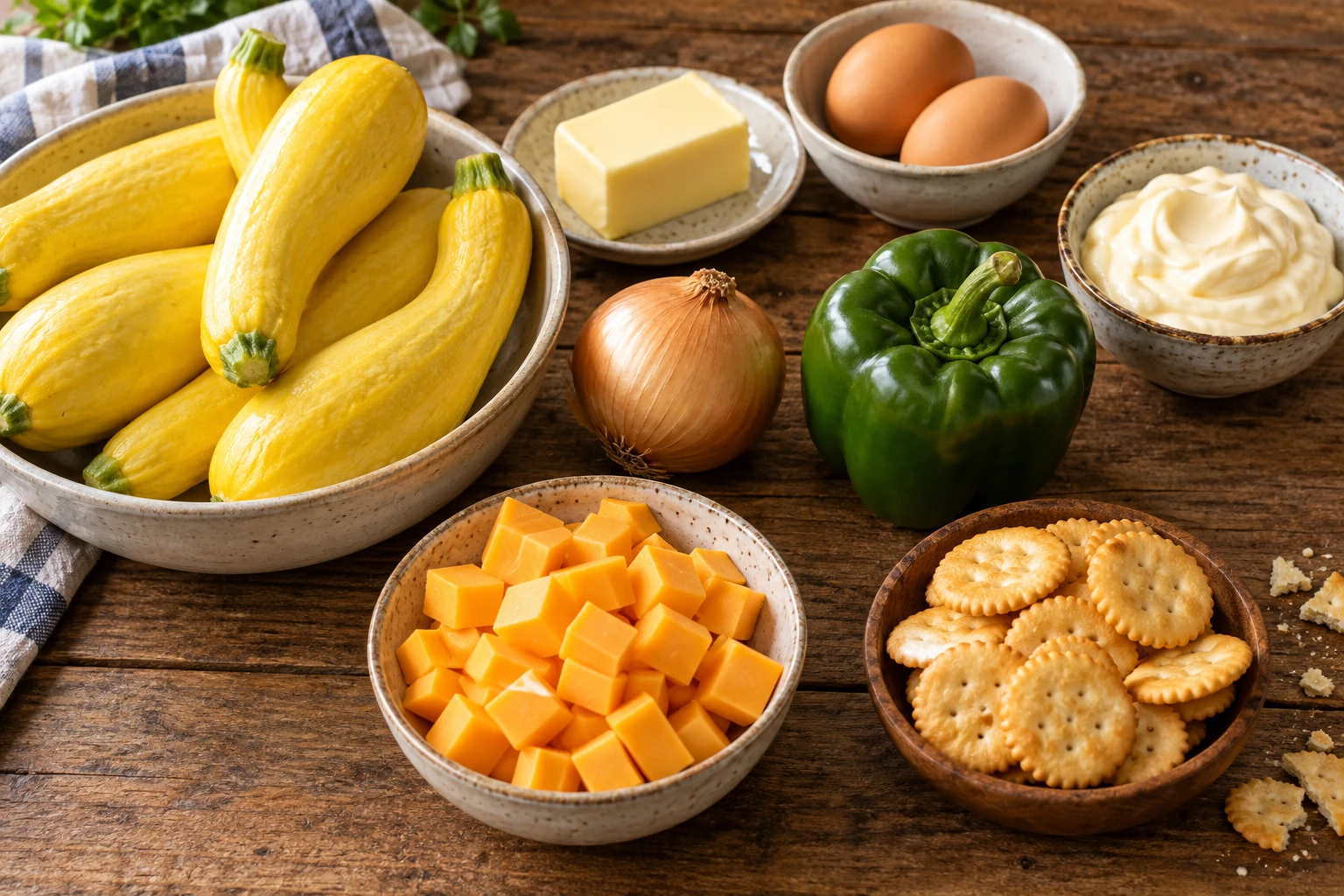
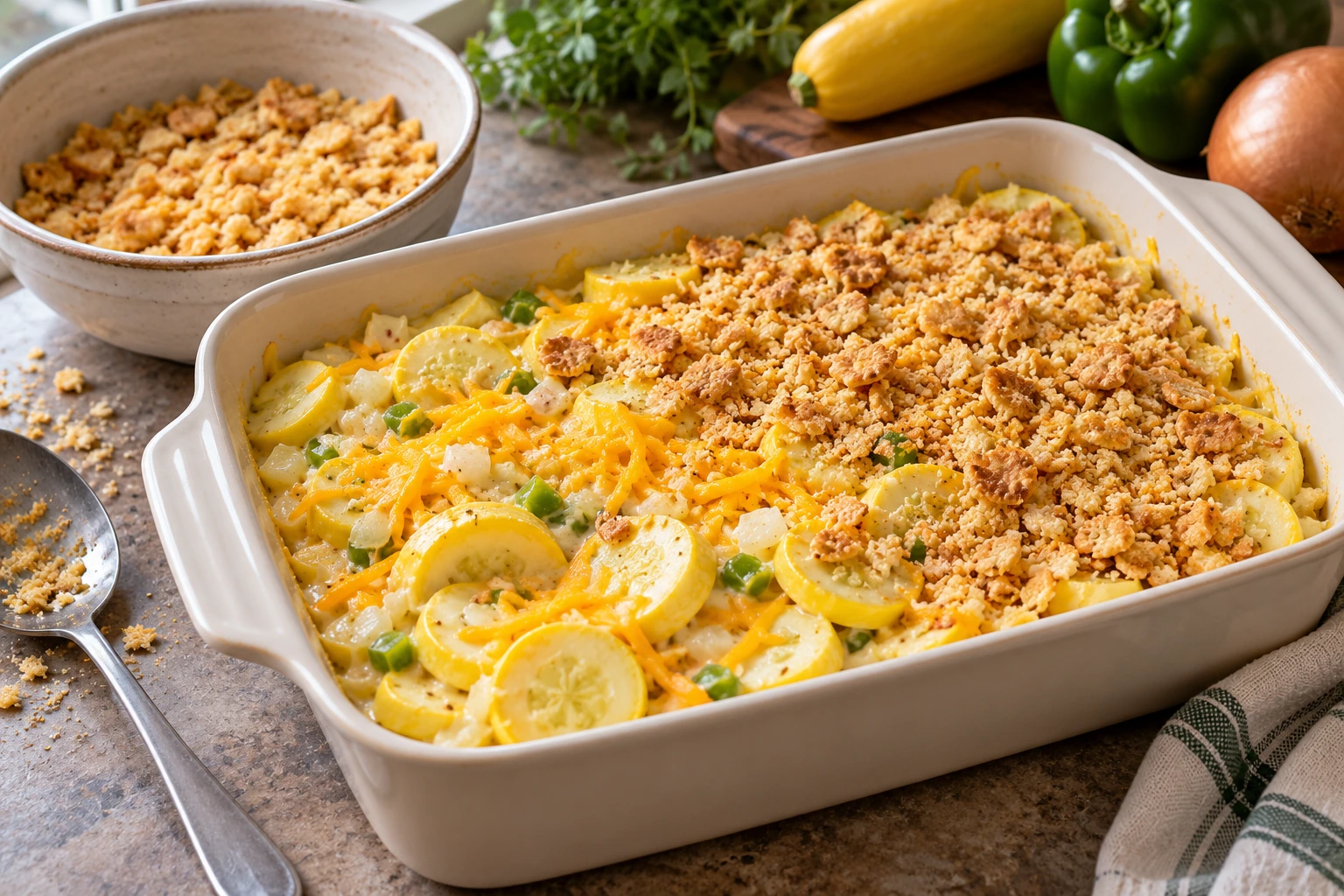
AI-generated illustrations of ingredients, preparation, and the finished dish. Tap any image to view it in full.
Squash Alabama is a generous vegetable casserole built around the contrast between a soft, creamy center and a crisp cracker lid. The yellow squash should still be recognizable when you serve it, while the onions and bell pepper soften into the filling. Cheese adds richness, and the crumbs give each spoonful a little crunch.
The most useful work happens before the casserole goes into the oven. Squash carries a surprising amount of water, so draining it properly matters more than adding extra topping or baking at a higher temperature. This expanded guide keeps the published ingredient quantities and explains how to manage moisture, mix the filling, and judge the bake.
Look for yellow summer squash with smooth skin and no soft patches. Smaller squash usually have less-developed seeds. Wash, trim the ends, and cut into slices about ¼ inch thick so the pieces soften at roughly the same rate. If a large squash has a particularly spongy seed center, remove that portion before slicing.
Chop the onion and bell pepper into small, even pieces, removing the pepper seeds and membranes. Cube the cheese rather than leaving large blocks that may not melt evenly. Divide the butter into two equal portions, beat the eggs in a separate bowl, and crush the crackers into coarse crumbs rather than a fine powder.
Press the cooked squash gently in a colander. Excess liquid can thin the filling and soften the cracker crust. Keep the slices recognizable rather than squeezing them into a purée.
Add buttered crumbs just before baking. A shallow dish gives more topping per serving; a deeper dish needs a longer bake. Serve beside green beans or a simple roast.
Squash releases water as it cooks. Follow the draining or uncovered cooking step so the finished dish is not diluted.
A creamy yellow-squash casserole with tender vegetables, cheese, and a buttery cracker topping.
Times and yields are estimates; use the cooking cues in the instructions.
Set a rack near the middle of the oven and preheat to 350°F (175°C). Grease a 9-by-11-inch casserole dish, including the corners. Set it on a stable work surface so you can transfer the filling without spilling. A similarly sized shallow dish can work, but a much deeper one changes the baking time.
Put the sliced squash into a saucepan with enough water to cover it. Bring to a gentle boil and cook until a fork slips into a slice with little resistance, checking from about 5 minutes. Stop while the slices still hold together; prolonged boiling makes them harder to drain without turning them into a mash.
Pour the squash into a colander and let it drain for several minutes. Shake the colander gently and press lightly with the back of a spoon to release trapped water. Do not force the squash through the holes. Leave it until it is warm rather than piping hot so it will not immediately cook the eggs when mixed.
Melt 4 tablespoons of the butter in a skillet over medium heat. Add the chopped onion and bell pepper and stir regularly until softened, usually about 6 to 8 minutes. If the vegetables brown rapidly, lower the heat. Their texture should be tender, without a burnt or sharply browned edge.
In a large bowl, combine the beaten eggs and mayonnaise. Fold in the cheese, warm drained squash, and softened vegetables with their butter. Use a broad spoon and lift from the bottom of the bowl rather than beating vigorously. Check for pockets of unmixed mayonnaise, then stop once the mixture is evenly combined.
Spoon the filling into the prepared dish and level it gently. Melt the remaining 4 tablespoons butter and stir into the coarse cracker crumbs until they look evenly moistened. Scatter across the casserole, including the corners. Avoid pressing the crumbs into the wet filling; a loose layer browns more evenly.
Bake for 30 to 40 minutes as a starting point. The filling should be bubbling near the edges, the topping golden, and the center hot rather than loose or cold. If the crumbs brown early, tent loosely with foil and continue cooking. For an extra check on the egg-containing center, it should reach 160°F (71°C).
Let the casserole stand for about 5 to 10 minutes after removing it from the oven. The filling will settle slightly, making it easier to serve without a pool of liquid. Use a broad serving spoon and scoop down through the topping and filling so each portion includes both textures.
The most likely cause is squash that was not fully drained, although vegetables can vary naturally in moisture. For the current dish, rest it before serving and use a slotted spoon if necessary. For the next batch, give the squash more time in the colander rather than compensating with additional eggs or crackers.
Cover loosely with foil and continue baking at the same temperature. Moving to a larger, shallower dish next time can help. Raising the heat tends to brown the crumbs faster without solving the cold center.
Some softness is expected from cooked summer squash. If you want more texture, stop boiling as soon as the slices are tender and fold gently. Cutting every slice to a similar thickness also prevents the smallest pieces from disappearing before the largest are cooked.
Serve as a side with roast chicken, ham, or a simple bean supper. A crisp salad or green beans gives the plate a fresher contrast. For advance preparation, refrigerate the filling and buttered crumbs separately, add the topping just before baking, and allow extra oven time for a cold casserole. Do not put a refrigerator-cold glass dish into a hot oven unless its manufacturer allows that temperature change.
Refrigerate within 2 hours and use within 3 to 4 days. Reheat individual portions until hot throughout; an oven helps restore the topping.
Yes. Cook it until tender, drain very well, and cool slightly before adding the eggs.
The published list calls for cubed cheese without specifying a variety. Cheddar is our suggested option; cut it into small cubes for even melting.
Method adapted from the recipe credited to Brenda Gantt by Birmingham Christian Family. Cheddar, yield, prep time, and resting time are editorial guidance.
Read the published source recipe
Instructions are rewritten for this site and have not yet been kitchen-tested by our team. Technique, storage and serving notes are Brenda’s Family editorial guidance, not quotations from Brenda; ingredient quantities follow the linked source and timings are approximate.
Bite-size green tomato pieces with a crisp cornmeal coating, cooked in small batches and served hot.
View recipe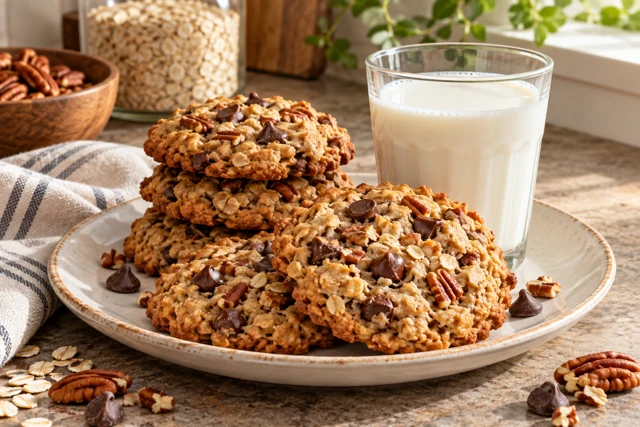
Chocolate chips, old-fashioned oats, and pecans give these drop cookies a generous, home-baked texture.
View recipe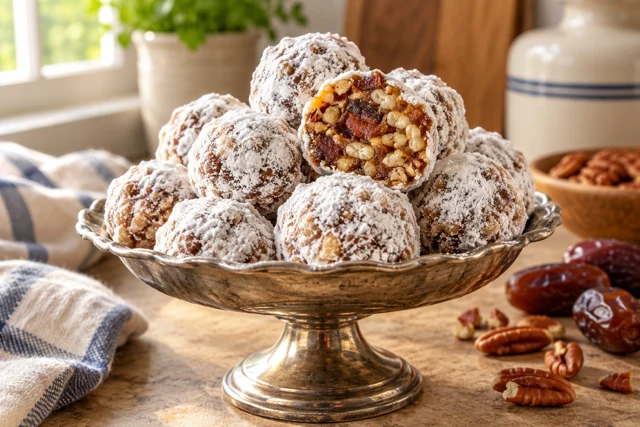
Chewy dates, crisp rice cereal, and finely chopped pecans rolled into small powdered-sugar treats.
View recipe