Cast-Iron Skillet Care: Cooking, Cleaning, and Everyday Seasoning
Learn how to preheat, wash, dry, and season a cast-iron skillet without confusing routine care with a full restoration project.
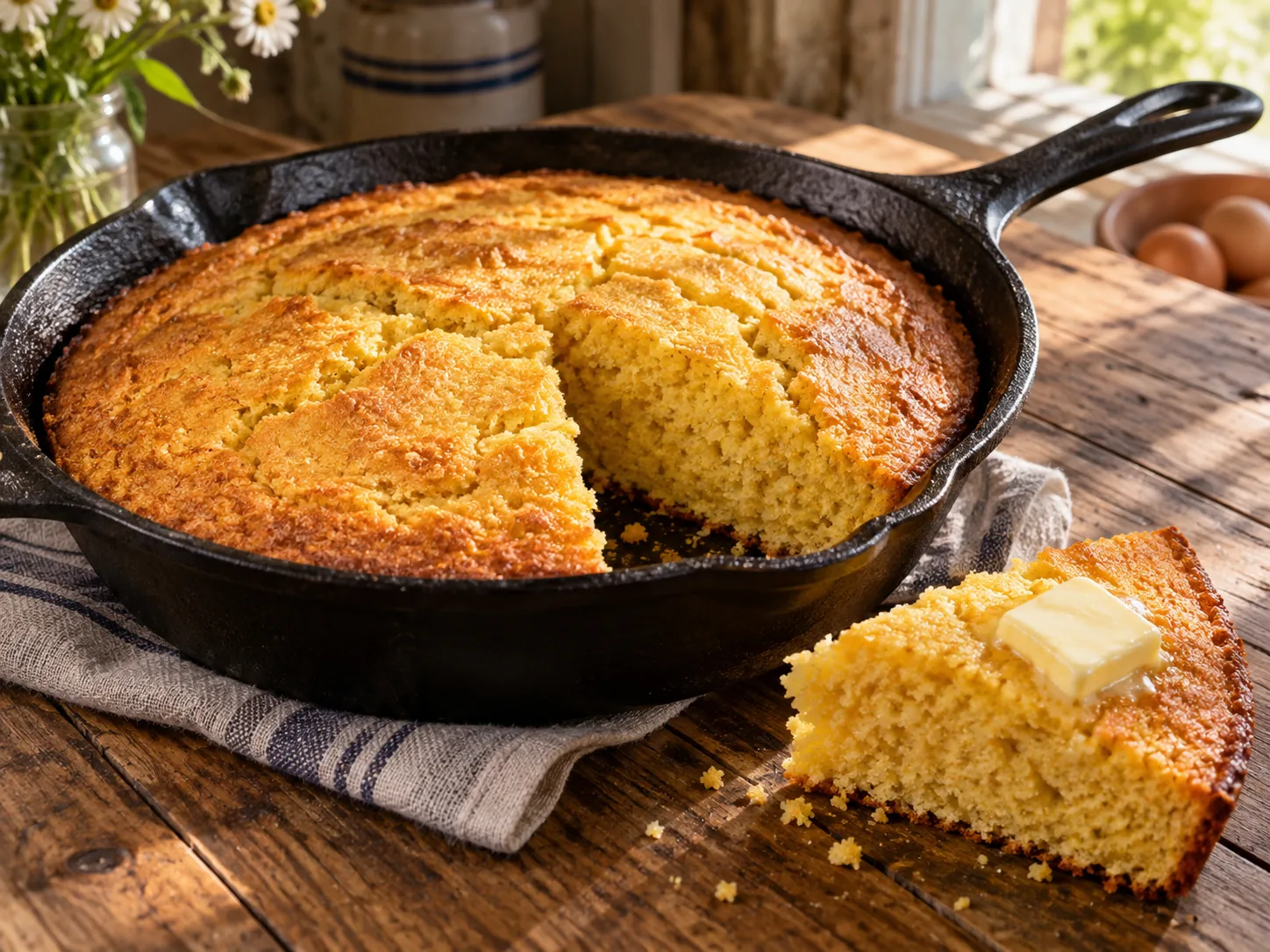
The food pictures here are AI illustrations.
A cast-iron skillet is durable because it is simple: iron, a handle, and a cooking surface that improves with regular care. You do not need an elaborate ritual after every meal. You do need to keep it dry, avoid extended soaking, and know the difference between normal dark seasoning and active rust.
Before the first cook
Read the manufacturer’s instructions for your particular pan, especially if it is pre-seasoned or has an enamel coating. Most bare cast-iron skillets sold today come pre-seasoned. Wash away manufacturing dust or packaging residue, rinse, dry completely, then warm the pan and apply a very thin film of cooking oil if the manufacturer recommends it.
Enamel-coated cast iron behaves differently: it does not require seasoning, and abrasive scraping can damage the coating. These notes focus on ordinary bare cast iron, not enamel or nonstick-coated cookware.
Preheat gradually for more even cooking
Cast iron holds heat well but does not instantly heat evenly from edge to edge. Start at low or medium heat for a few minutes before increasing the burner. The pan is ready for many savory foods when a small amount of oil shimmers without smoking. Heat needs vary for cornbread, eggs, greens, and fried foods; follow the actual recipe rather than treating high heat as the default.
Avoid pouring cold water onto an extremely hot skillet. Sudden temperature changes can stress cookware and make a greasy mess. Set it somewhere heat-safe while it cools enough to wash safely.
How to clean after dinner
- Let the pan cool until it is safe to handle.
- Wash with warm water and a brush or soft scrubber. A little ordinary dish soap is generally fine for a seasoned bare cast-iron skillet.
- For stuck-on food, simmer a little water briefly to loosen residue; do not leave the pan soaking overnight.
- Rinse and dry immediately with a towel, then warm briefly over low heat to evaporate remaining moisture.
- While the surface is warm, rub on a tiny amount of neutral cooking oil and wipe off the excess until the surface looks almost dry.
If the pan feels sticky after oiling, there is probably too much oil left on it. Wipe again. A thick oily coating attracts dust and can become gummy rather than forming an even, useful surface.
When a full seasoning session is useful
Routine cooking and drying are enough for many skillets. Consider re-seasoning if the cooking surface looks patchy, gray, or prone to sticking despite proper preheating. First clean and dry the pan. Apply the thinnest practical film of cooking oil, wipe it down once more, and follow the cookware maker’s oven temperature and duration instructions. Ventilate the kitchen and keep children away from the hot pan.
Seasoning is not a substitute for cleaning. Food residue should be removed before additional layers of oil are heated onto the surface.
What if you spot rust?
Small rusty patches can often be scrubbed away, followed by thorough washing, drying, and re-seasoning. Extensive corrosion, deep pitting, cracks, or a damaged cooking surface may require a different approach or replacement. If you cannot identify a coating or its condition, check with the manufacturer rather than aggressively grinding the surface.
Four habits that matter most
Preheat patiently. Even heating beats unnecessary high heat. Clean after use. You can use a brush and ordinary soap without treating the pan as fragile. Dry completely. Moisture is the common enemy of bare iron. Oil lightly. A nearly invisible film is enough for storage.
Put your skillet to work with skillet cornbread, fried green tomatoes, or a Southern-style chicken dinner. Follow each dish’s temperature and food-safety instructions.
Brenda’s Family is Brenda Gantt’s official website for her fans. Recipe instructions and images may be adaptations or illustrations. Read our editorial and advertising disclosure.