Why Skillet Cornbread Belongs on a Southern Table
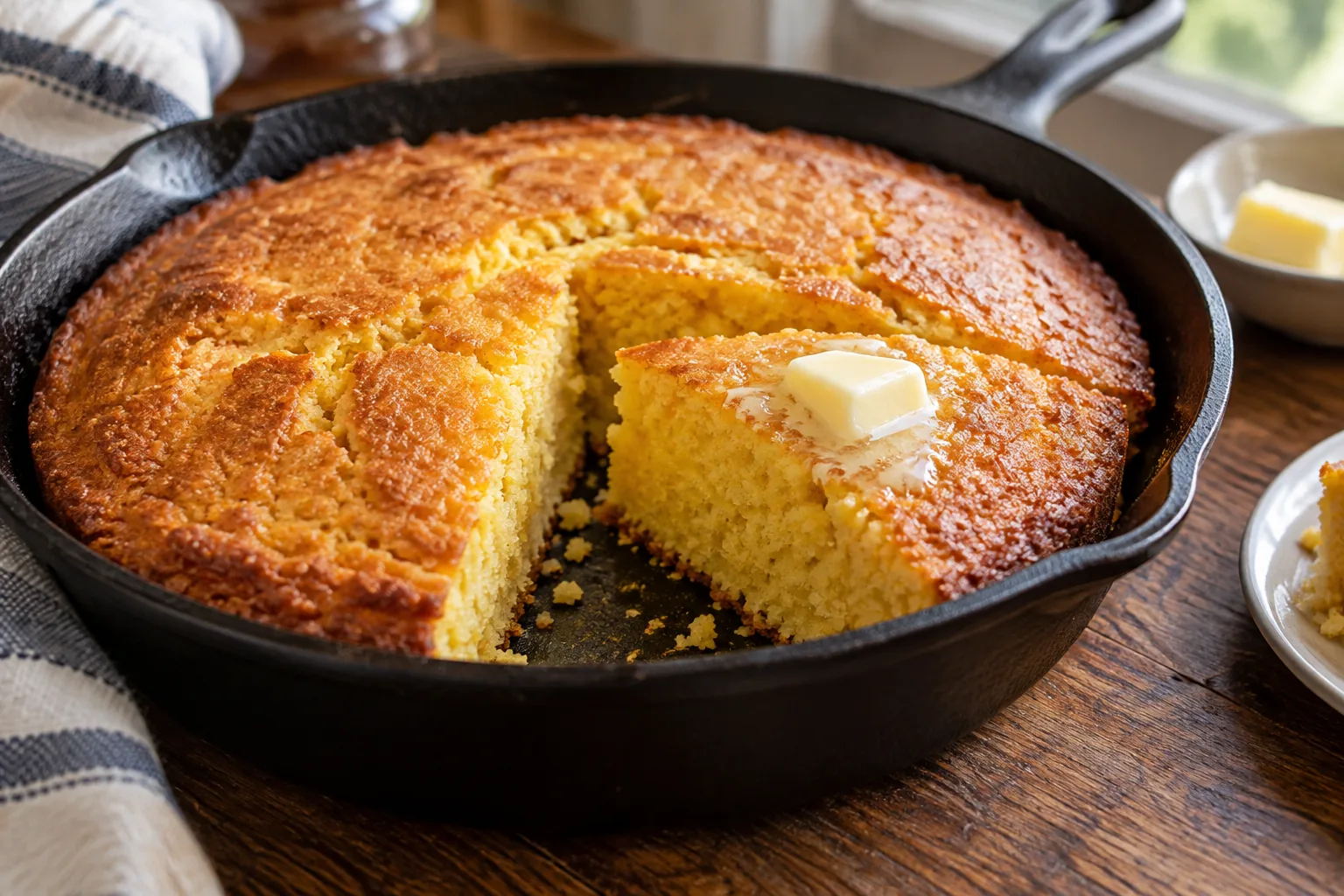
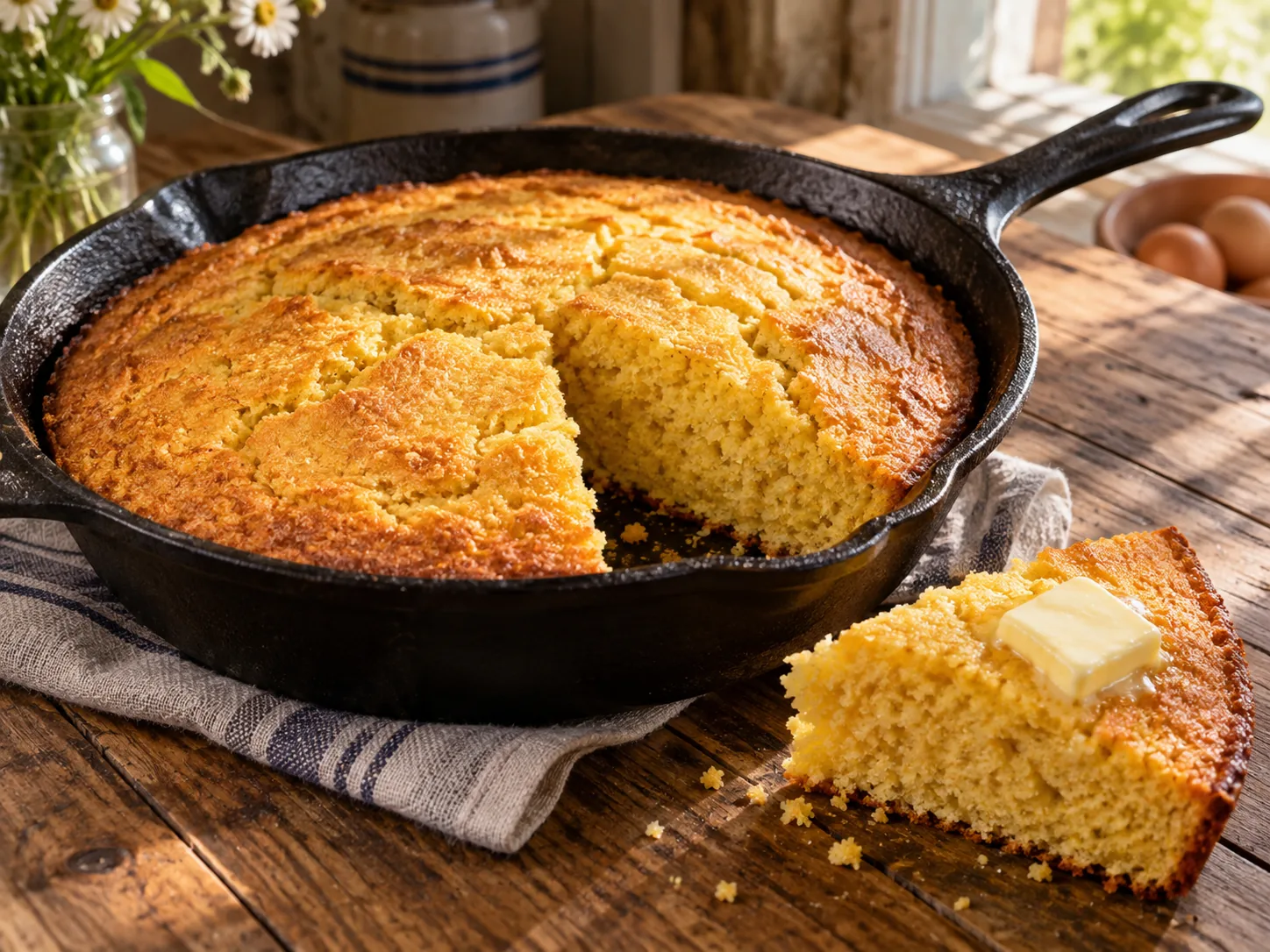
Few breads announce supper as clearly as cornbread arriving in a black skillet. Its top is golden, its bottom audibly crisp, and its center is tender enough to absorb pot liquor from greens or broth from beans. This version is savory rather than cake-sweet, with cornmeal in the leading role and just enough flour to keep the wedges together.
This is an independent Southern-inspired Gantt Fans recipe, not an official Brenda Gantt recipe. The method honors the practical habits behind memorable skillet bread: heat the cast iron thoroughly, use tangy buttermilk, stir only until combined, and pour the batter while the fat is still sizzling.
Choose Cornmeal for Real Corn Flavor
Stone-ground yellow cornmeal has a fuller aroma and pleasantly rustic texture. Medium grind creates a clear cornmeal bite; fine grind produces a softer crumb. Store stone-ground meal in the refrigerator or freezer because its natural oils can become stale. Smell it before baking—it should seem sweet and nutty, never dusty or bitter.
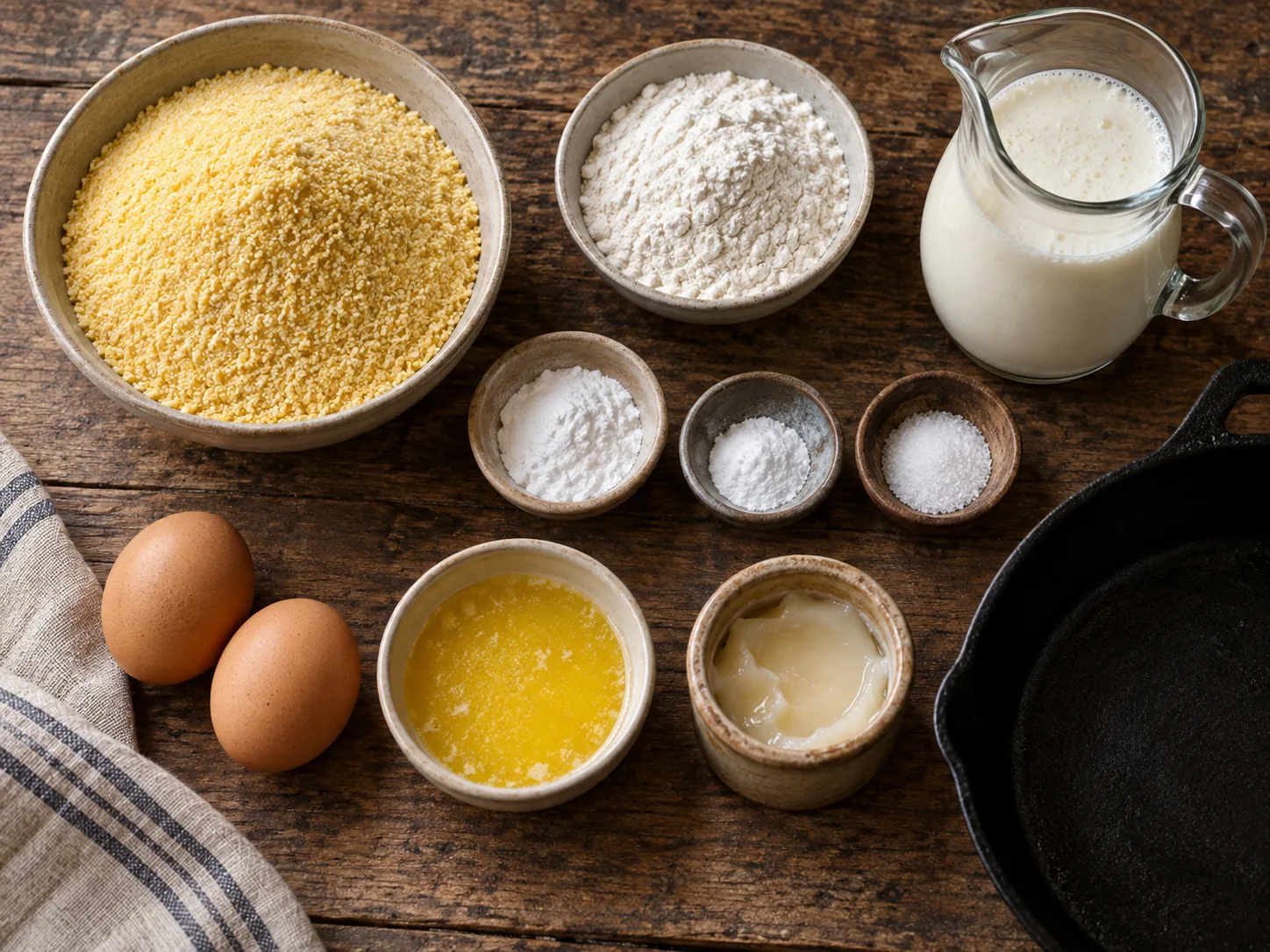
A modest half cup of all-purpose flour adds structure without turning the bread into cake. Baking powder supplies lift, while baking soda reacts with acidic buttermilk. Check the dates on both leaveners. Old baking powder is a common reason cornbread emerges dense despite an otherwise sound recipe.
Why Buttermilk Matters
Cultured buttermilk brings acidity, moisture, and a gentle tang that balances corn's sweetness. Its thickness hydrates the meal without making the batter watery. Full-fat buttermilk gives the richest crumb, but low-fat works. If necessary, a home substitute of milk and lemon juice will bake, although it lacks the same body and cultured flavor.
Eggs bind the crumb and help it rise. Let cold eggs and buttermilk sit out briefly so they combine easily with melted butter. The melted butter should be warm rather than piping hot; otherwise it may seize in cold dairy or partially cook the eggs.
The Hot-Skillet Technique
Place a 10-inch cast-iron skillet in the oven while it heats to 425°F. Ten minutes in a fully heated oven gives the iron time to store energy. Add bacon drippings to the hot skillet carefully and swirl to coat the bottom and lower sides. Butter can be used, but drippings tolerate heat well and add a distinctly savory edge.
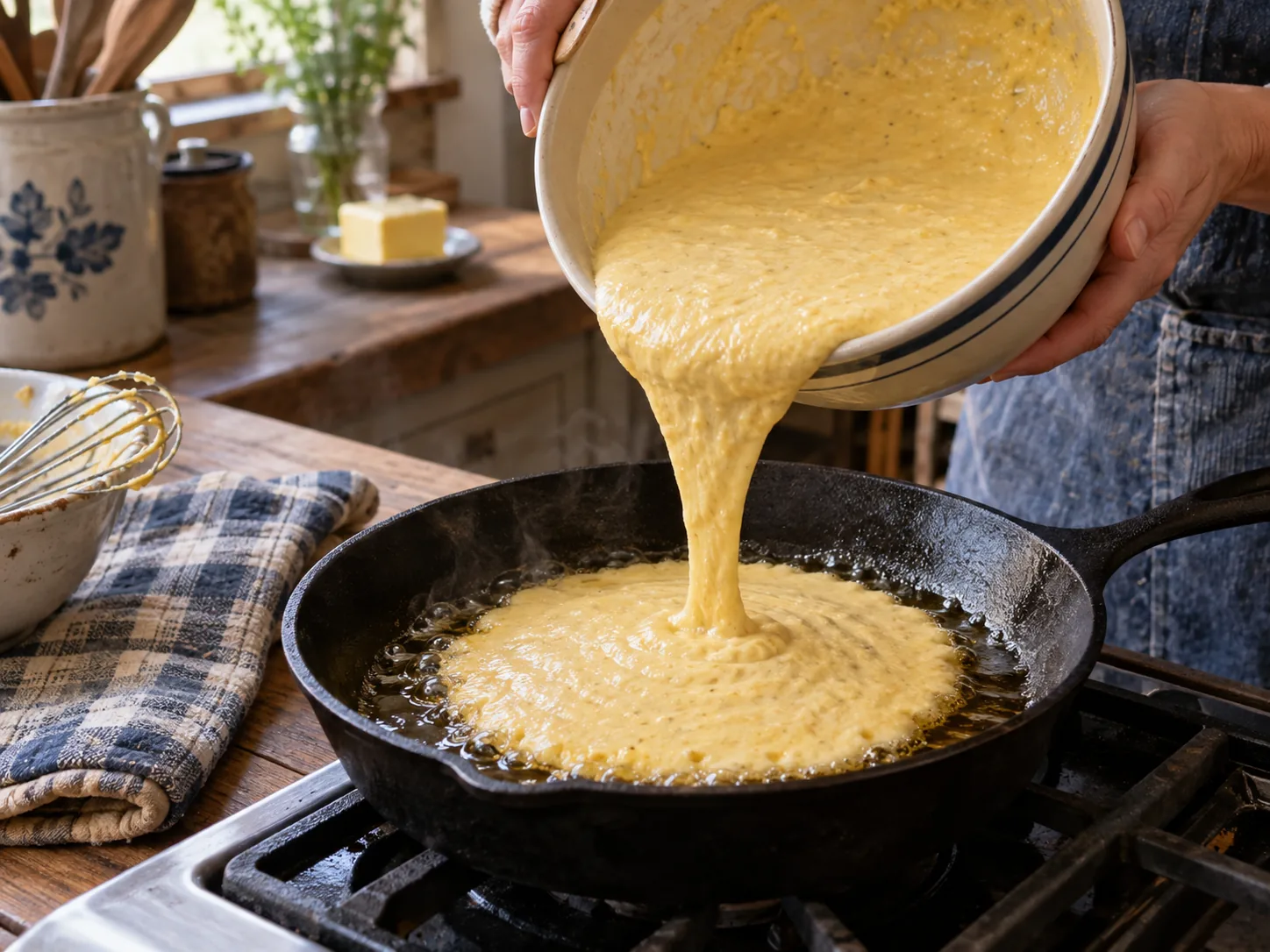
When batter meets hot fat, it should sizzle immediately. That sound signals the bottom crust has started setting before the center bakes. Use oven mitts and keep the handle turned safely away from the counter edge; cast iron stays dangerously hot long after leaving the oven.
Mix Gently and Work Quickly
Whisk cornmeal, flour, baking powder, baking soda, and salt until evenly distributed. In another bowl, whisk eggs, buttermilk, and melted butter. Pour wet into dry and fold just until no dry streaks remain. Small lumps are welcome. Vigorous mixing develops gluten and makes cornbread rubbery.
Once wet and dry ingredients meet, the leavening begins releasing gas. Do not let the bowl wait while you set the table. Carefully remove the skillet, add the fat, pour in the batter, and return it to the oven. The batter should spread naturally; avoid smoothing it repeatedly.
Know When It Is Done
Bake for 20 to 24 minutes. The top should be deep gold, the edges should pull slightly from the skillet, and the center should spring back after a light touch. A tester may show a few moist crumbs but no wet batter. An instant-read thermometer near the center should register roughly 195°F to 200°F.
Let the bread rest in the skillet for five to ten minutes. This finishes setting the crumb while preserving warmth. For maximum bottom crispness, loosen the edge and turn the round onto a rack or board rather than leaving it to steam in the pan.
Common Cornbread Problems
A pale, soft bottom means the skillet was not hot enough. A burned base suggests the pan sat over direct stovetop heat too long or the oven runs hot. Dry, crumbly bread is often overbaked or overmeasured; spoon flour and cornmeal into cups rather than packing them. Dense bread points to expired leavening or overmixing.
If the bread sticks, allow another few minutes of rest and run a thin spatula around the edge. A well-seasoned skillet and enough hot fat make release dependable. Avoid soaking cast iron after serving; wash according to the pan maker's directions, dry over low heat, and apply a whisper-thin coat of oil.
Serving Ideas
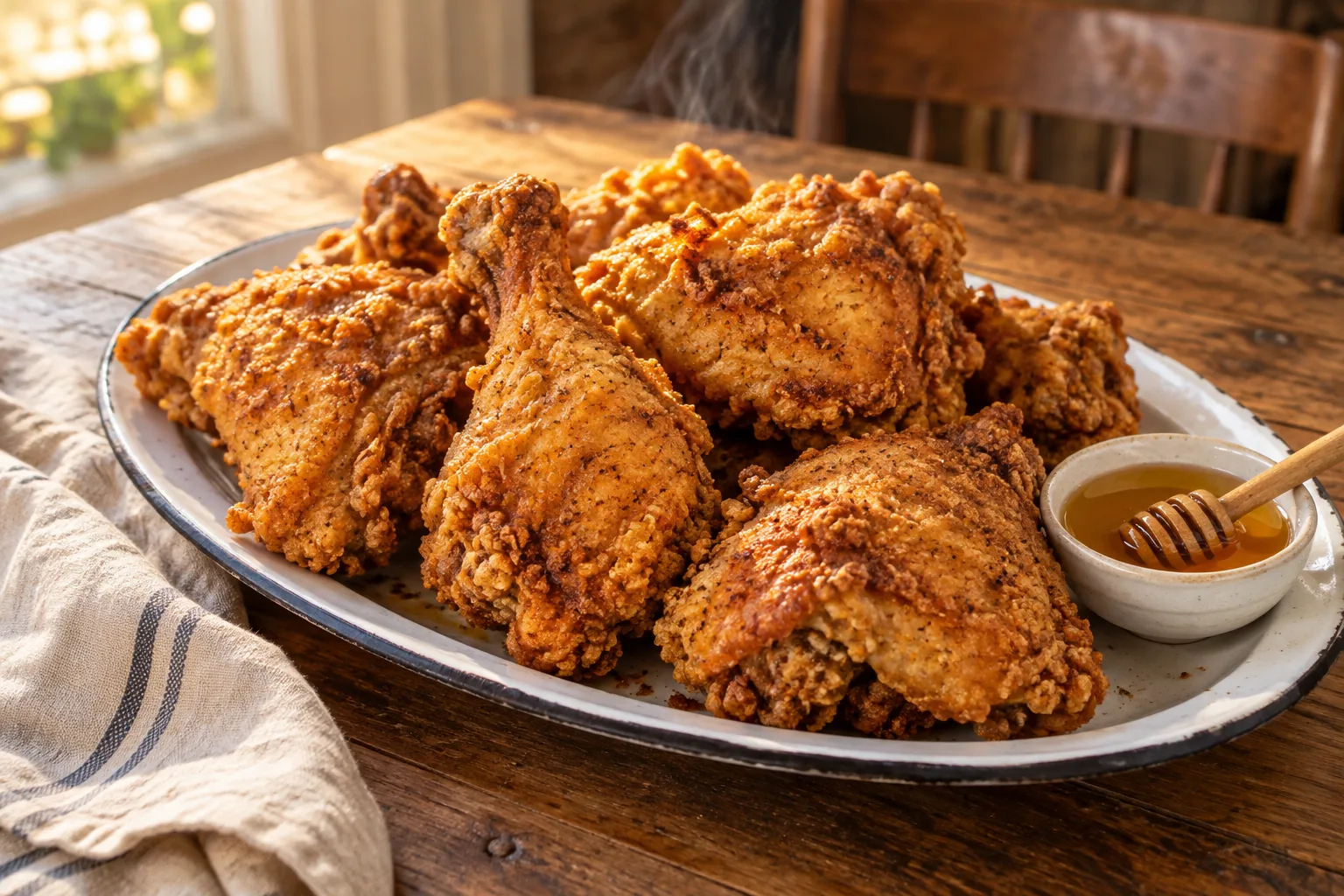
Serve warm wedges with butter beside pinto beans, chili, vegetable soup, collard greens, fried chicken, or barbecue. Crumbled cornbread can soak up tomato juices or become the foundation of dressing. For a simple snack, split and toast a leftover wedge and add butter; diners who like sweet contrast can drizzle honey at the table.
Make It Your Own
Once the base method is familiar, fold in sliced scallions, minced jalapeño, grated sharp cheddar, or a handful of drained corn. Add-ins bring moisture and weight, so keep them modest—about one cup total. For a crisper, more traditional texture, reduce flour slightly; for a softer family-style loaf, retain the balanced ratio below.
Storage and Reheating
Cool cornbread completely before wrapping so trapped steam does not soften the crust. Keep it airtight at room temperature for two days or refrigerate for up to five. Reheat wedges uncovered in a 350°F oven for about ten minutes, or place cut sides down in a lightly buttered skillet. The microwave is quick but softens the prized crust.
Freeze individual wedges tightly wrapped for up to three months. Thaw at room temperature, then rewarm in the oven. Slightly dry leftovers are especially useful for dressing, croutons, or crumbs, which means very little from this practical skillet bread needs to be wasted.
Jump-to-Recipe Card
Ingredients
- 1 1/2 cups yellow stone-ground cornmeal
- 1/2 cup all-purpose flour
- 1 tablespoon baking powder
- 1/2 teaspoon baking soda
- 3/4 teaspoon fine salt
- 2 large eggs, room temperature
- 1 1/2 cups cultured buttermilk
- 4 tablespoons melted butter
- 2 tablespoons bacon drippings or butter, for the skillet
Instructions
- Place a 10-inch cast-iron skillet in the oven and heat to 425°F. Let the skillet heat for at least 10 minutes after the oven reaches temperature.
- Whisk cornmeal, flour, baking powder, baking soda, and salt in a large bowl.
- In another bowl, whisk eggs, buttermilk, and melted butter until combined.
- Fold the wet mixture into the dry ingredients only until no dry streaks remain; small lumps are fine.
- Carefully remove the hot skillet, add bacon drippings or butter, and swirl to coat. Immediately pour in the batter—it should sizzle around the edge.
- Bake 20 to 24 minutes, until deeply golden and the center springs back. Rest 5 to 10 minutes before cutting into 8 wedges.
Calculate
Calculate
Calculate
Calculate
Nutrition values should be calculated from the final tested recipe quantities before publication.