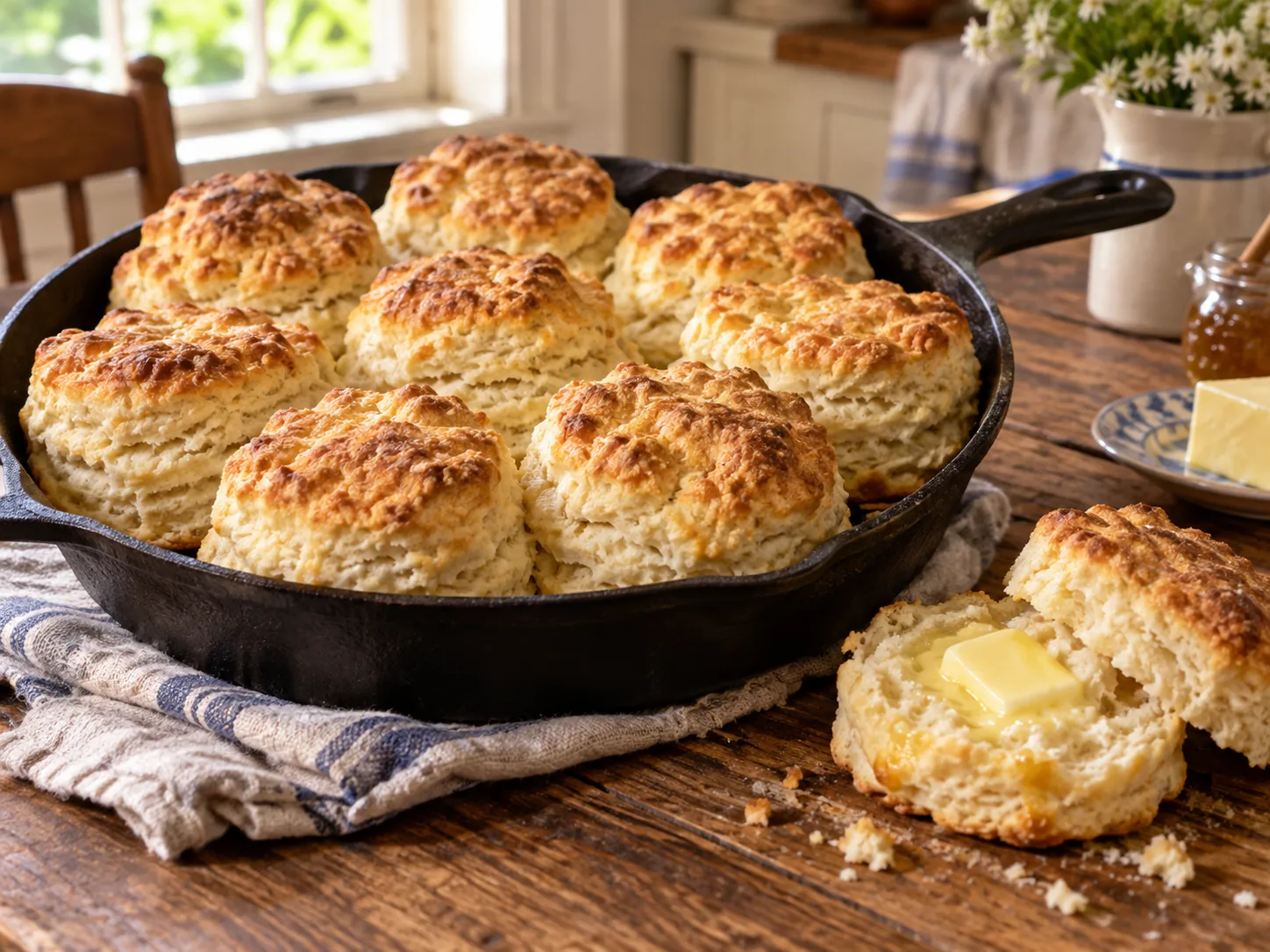
There is something wonderfully uncomplicated about a warm biscuit. The outside should be golden and lightly crisp; inside, distinct layers should pull apart with a soft, buttery crumb. Biscuits belong equally beside breakfast eggs, a bowl of soup, fried chicken, or a Sunday supper. The ingredient list is short, which means temperature, measuring, and handling matter more than fancy equipment.
This is an independent Southern-inspired Gantt Fans recipe and is not presented as an official Brenda Gantt recipe. Its goal is to explain not only what to do, but why each small action produces a taller, more tender biscuit.
Measure Flour Without Packing It
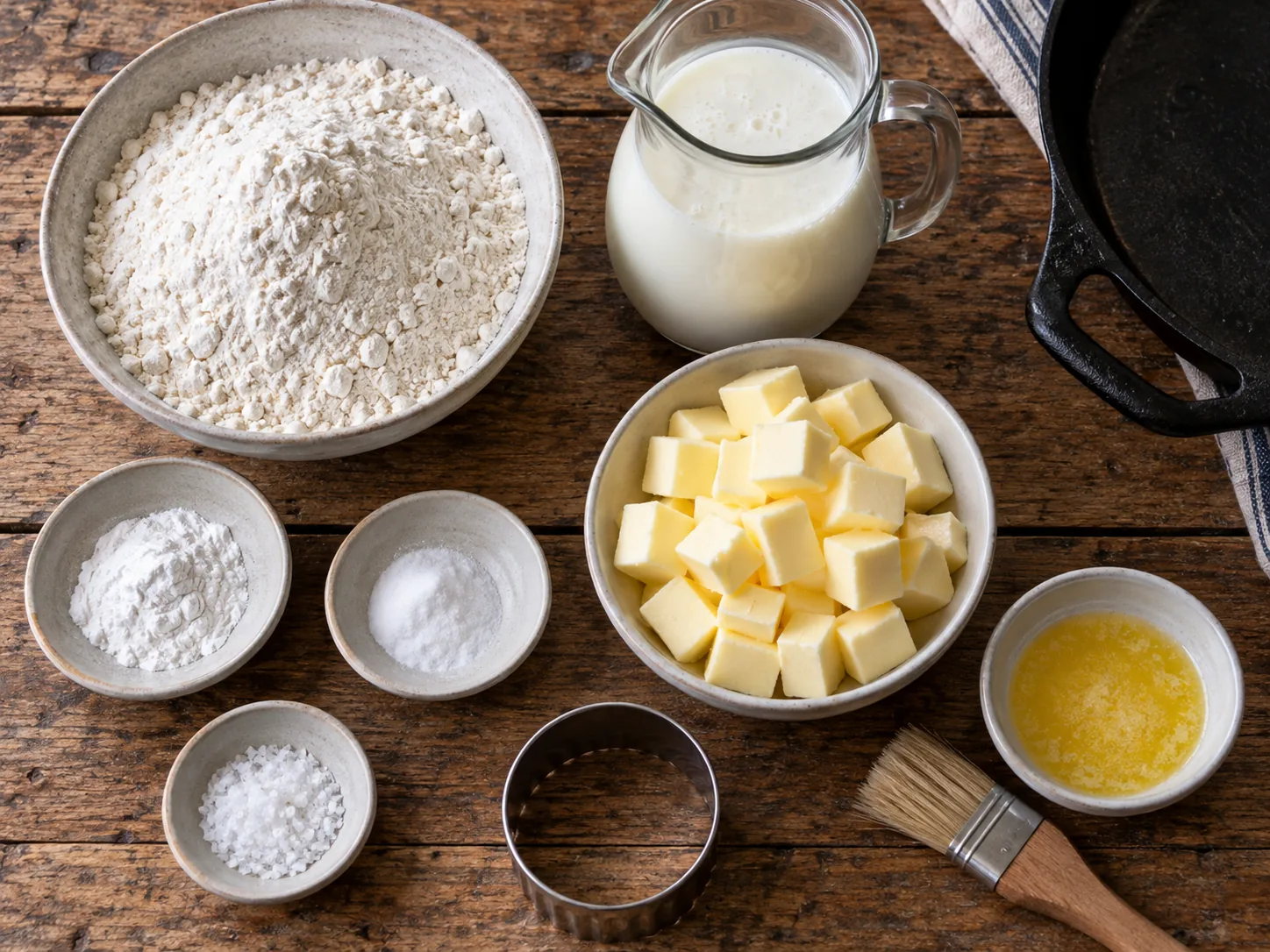
Too much flour is one of the most common reasons biscuits turn dry. Fluff the flour, spoon it into a dry measuring cup, and level the top; better still, weigh two cups at about 240 grams. Reserve extra flour only for the work surface. A heavily floured board can quietly add several tablespoons to the dough while it is being shaped.
Fresh baking powder supplies most of the lift, while baking soda reacts with acidic buttermilk and encourages browning. Whisk the dry ingredients thoroughly so no biscuit receives a salty or bitter pocket of leavener. If baking powder has been open for a long time, test a little in hot water—it should foam promptly.
Cold Butter Creates Flaky Layers
Very cold butter stays in distinct pieces as the dough enters the oven. Those pieces melt and release steam, opening small spaces between sheets of dough. Cut the butter into cubes and return it to the refrigerator while measuring everything else. Work it into the flour only until the largest pieces resemble peas; perfectly blending it would sacrifice the layered texture.
If the kitchen is hot, chill the mixed dry ingredients, bowl, and cutter for ten minutes. Hands transfer heat quickly, so a pastry blender can be useful. Once the butter looks shiny or greasy, pause and refrigerate the bowl rather than adding more flour.
Buttermilk Controls the Dough
Cultured buttermilk adds tang, tenderness, and the acid needed by baking soda. Begin with three-quarters cup and add the remainder one tablespoon at a time. Flour absorbs differently according to brand, humidity, and measuring technique. The correct dough looks shaggy and slightly tacky, with a few dry-looking edges; it should not pour like batter or feel smooth like bread dough.
Fold with a flexible spatula just until the mass holds together. Overmixing develops gluten and smears butter into the flour, producing a tight crumb. Loose flour on the bottom can be incorporated during shaping, so resist the temptation to keep stirring until the bowl looks perfectly clean.
Fold for Height, Then Cut Straight Down
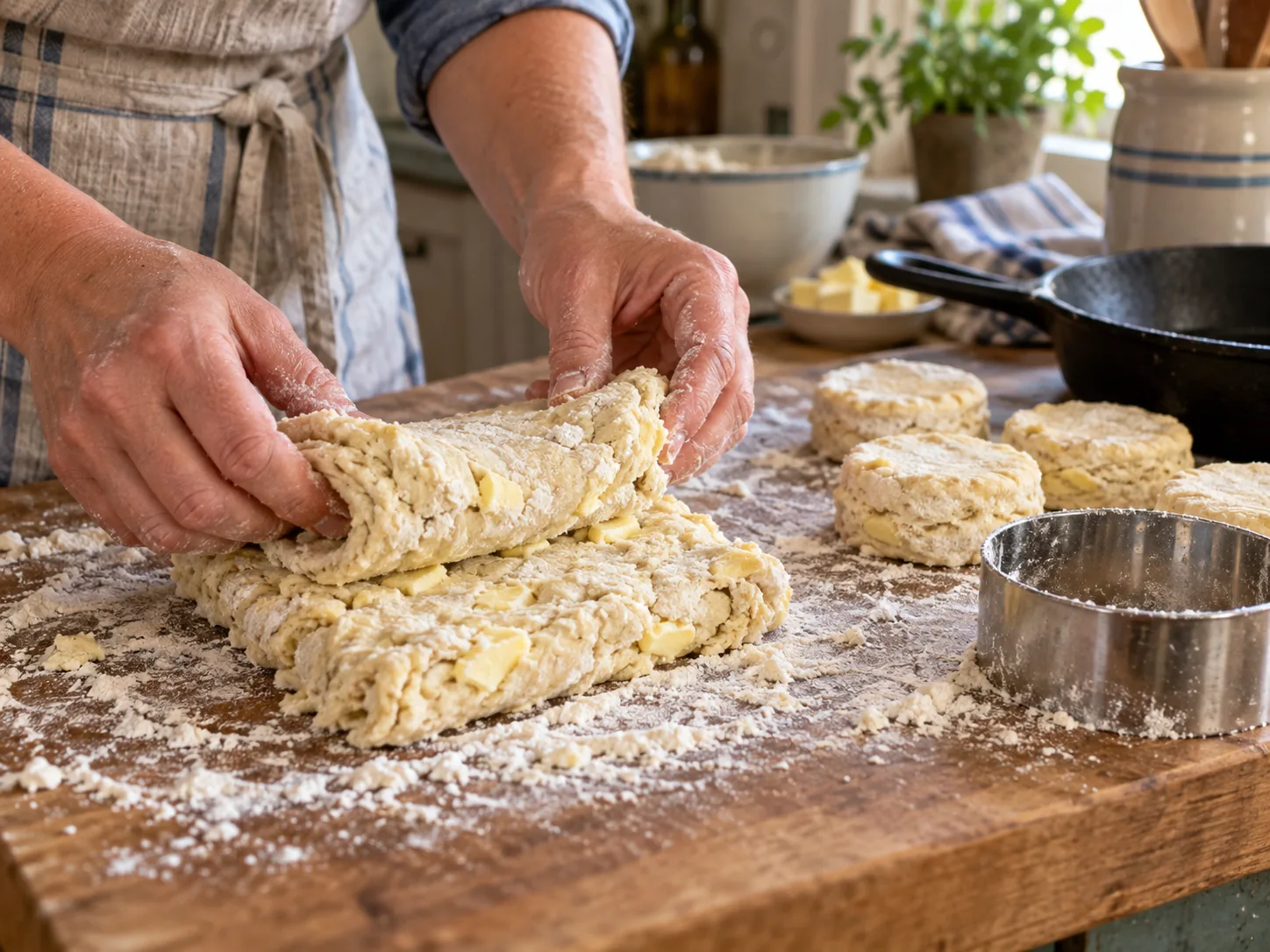
Turn the shaggy dough onto a lightly floured board and bring it together gently. Pat it into a rectangle, fold it in thirds like a letter, rotate, and repeat once. These two folds stack pieces of cold butter and dough without the dozens of layers used for pastry. Pat—do not aggressively roll—the dough to about three-quarters inch thick.
Dip a sharp 2 1/2-inch cutter in flour and press straight down. Twisting seals the cut edges and can prevent an even rise. Place scraps together rather than kneading them; biscuits cut from the second pass may look more rustic but should remain tender. A knife can cut square biscuits with no scraps at all.
Why Biscuits Touch in the Skillet
A lightly greased 10-inch cast-iron skillet stores heat and browns the bottoms. Arrange the rounds with their sides touching: they support one another as they rise and stay softer where they meet. Space them apart on a sheet pan when crisp sides are preferred. Either arrangement works, but the skillet gives the bread a particularly welcoming table presentation.
Bake at 425°F on the center rack for 14 to 17 minutes. Look for deeply golden tops, set sides, and a bottom that releases cleanly. Pale biscuits often taste floury; give them another minute or two rather than relying solely on the timer. Brush immediately with melted butter and rest five minutes so the crumb finishes setting.
Common Biscuit Problems
Flat biscuits usually point to warm butter, thin dough, old leavener, or twisted cutter edges. Toughness comes from excess flour or handling. A dark bottom before the top browns may mean the skillet is too close to the lower heating element; move the rack upward or set the skillet on a light sheet pan. If the centers remain doughy, the biscuits may be crowded too tightly or cut unusually large.
Do not chase perfect symmetry. A slightly leaning biscuit with visible handmade layers is far more appealing than a smooth, compressed round. The important cues are a golden exterior, a light interior, and enough structure to split without crumbling apart.
Serving, Storage, and Make-Ahead
Serve biscuits warm with salted butter, preserves, honey, sorghum syrup, or sausage gravy. They also make excellent breakfast sandwiches and are sturdy enough to accompany pot roast, greens, beans, or chicken and dumplings. Split them with a fork or your fingers to follow the natural layers.
Cool leftovers completely and store airtight at room temperature for two days or refrigerate for up to five. Reheat at 350°F for 6 to 8 minutes; the microwave softens the crust. Freeze baked biscuits for up to two months, or freeze unbaked rounds on a tray and transfer them to a bag. Bake frozen biscuits directly from the freezer, allowing several extra minutes.