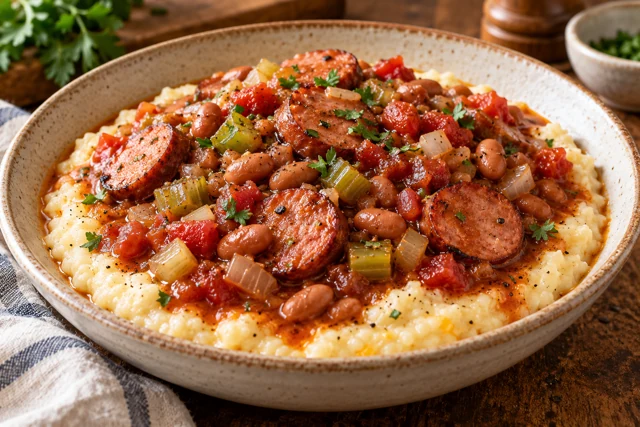
Stump Jumpin’ Sausage
Smoked sausage, pinto beans, and tomatoes simmer into a hearty skillet supper to spoon over grits.
View recipe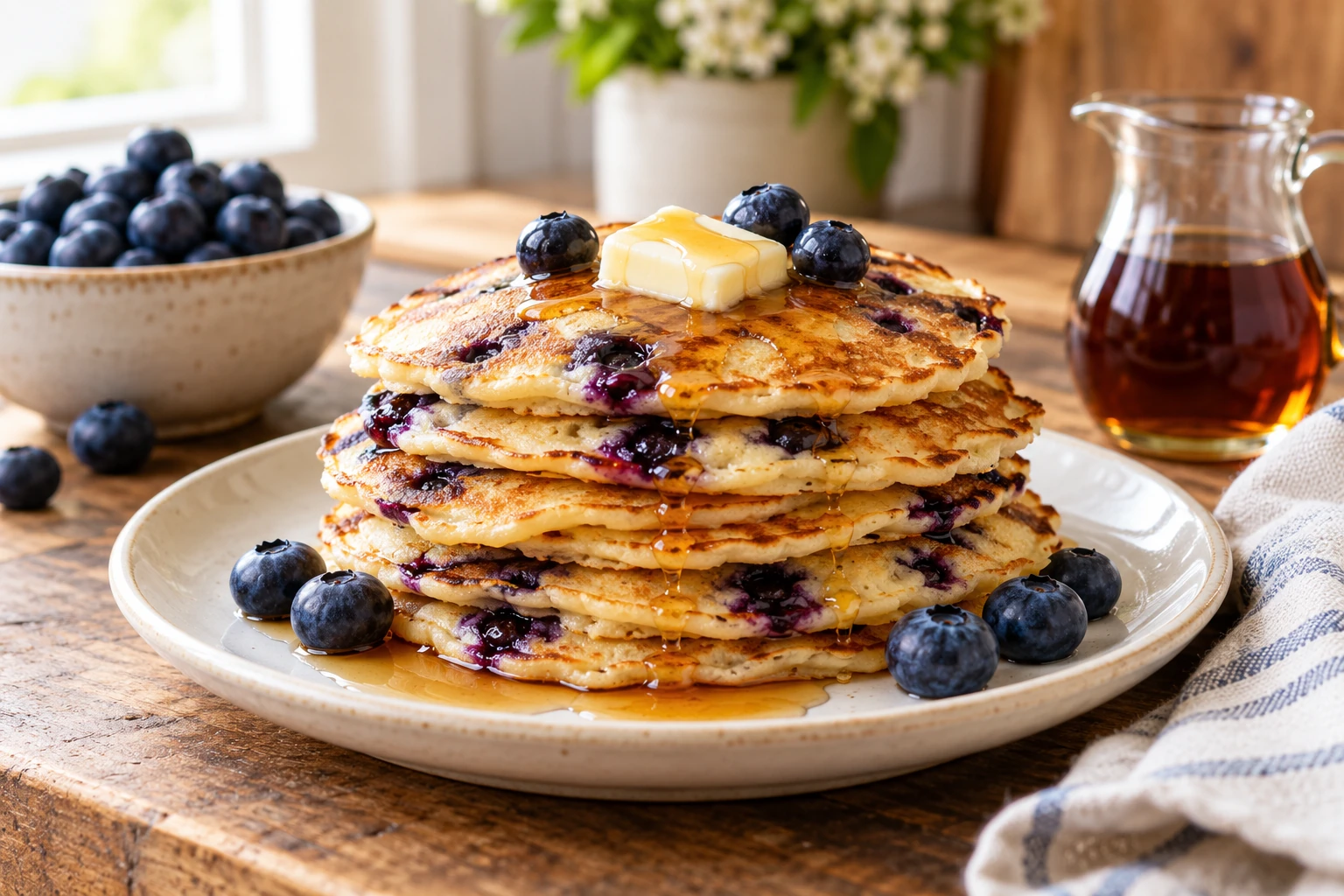
Tender skillet pancakes with fresh blueberries and buttermilk, finished with butter and syrup.
A guide adapted from a published recipe. View source & credits.
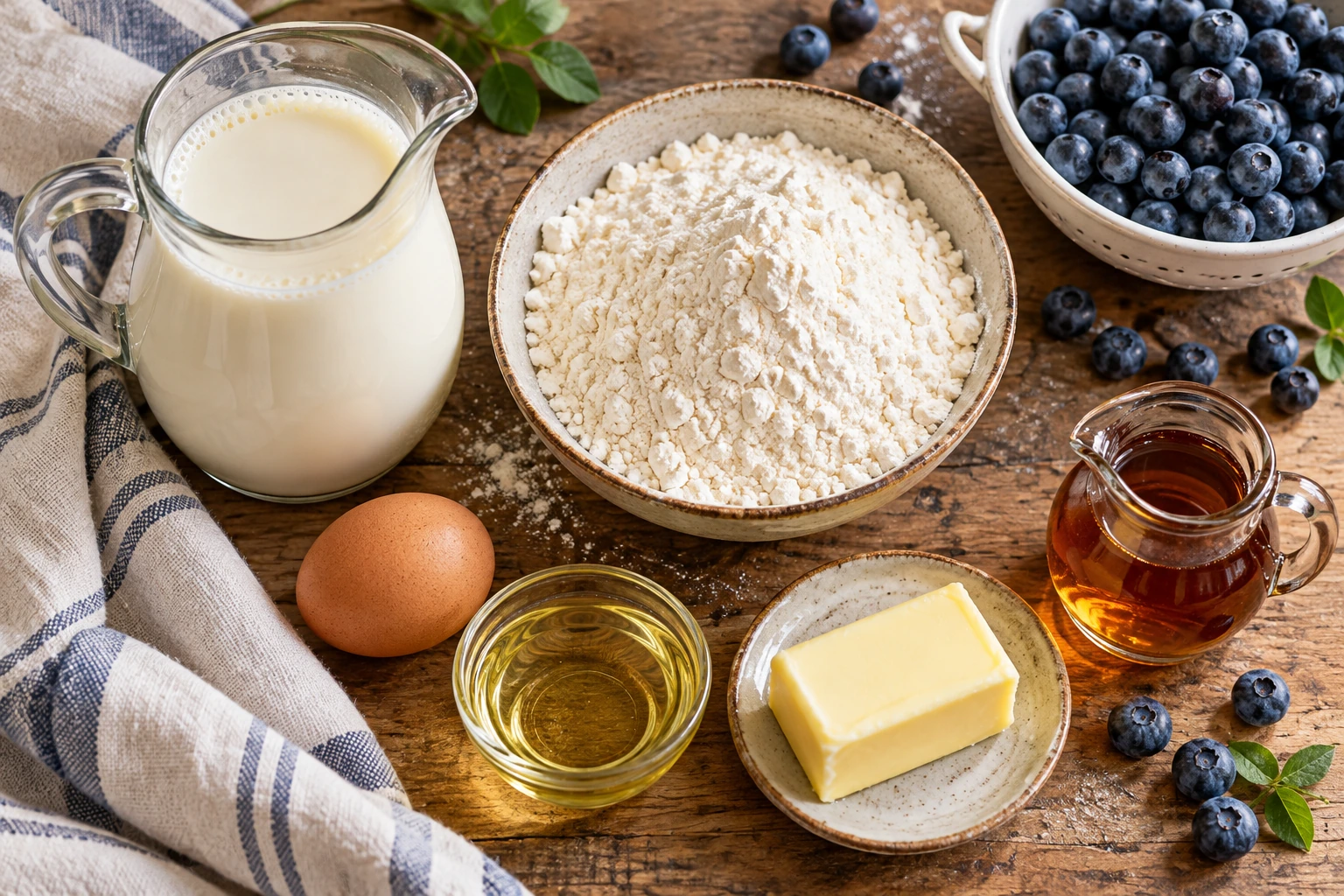
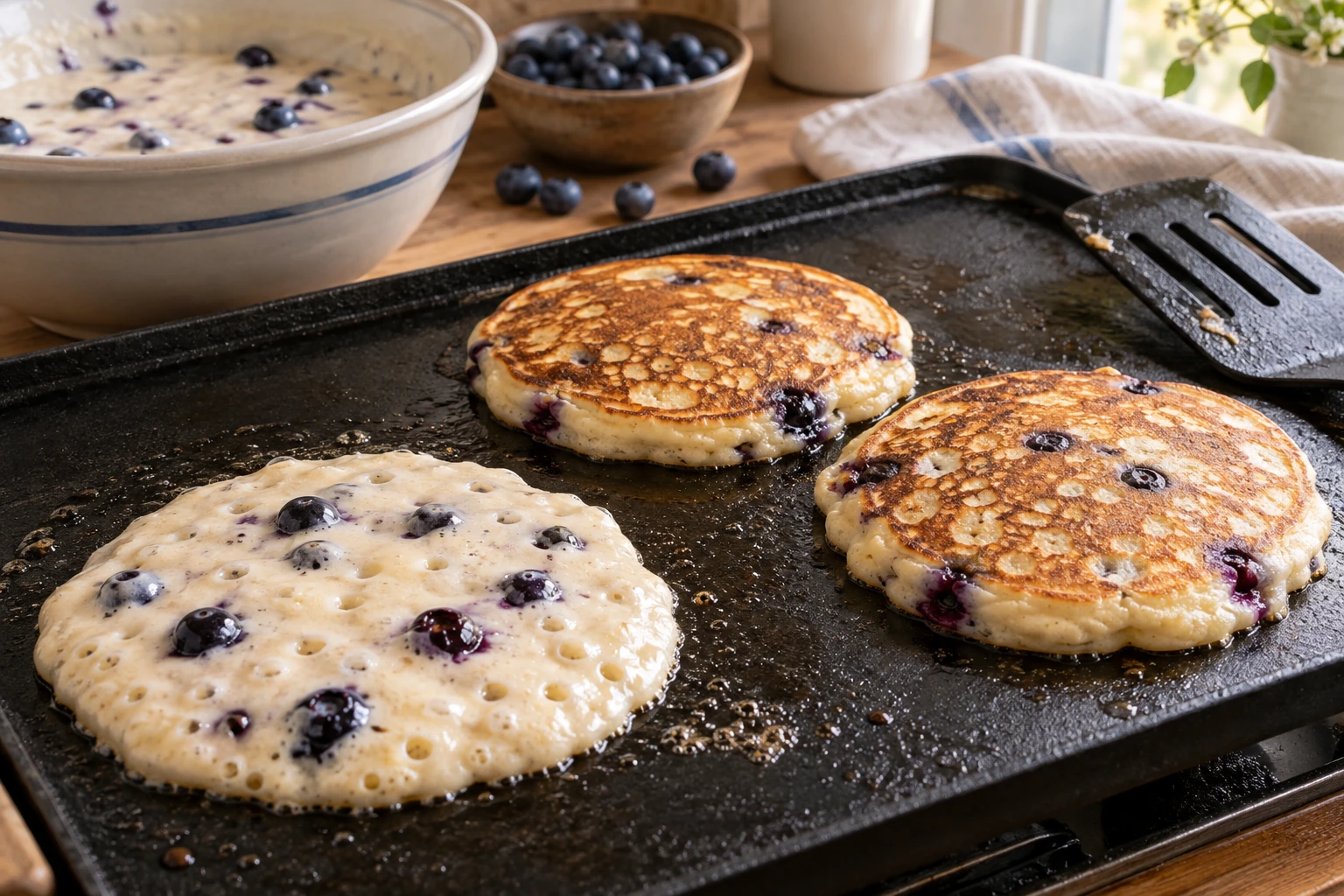
AI-generated illustrations of ingredients, preparation, and the finished dish. Tap any image to view it in full.
Blueberry flapjacks are an easy skillet breakfast, but they reward attention to batter and pan heat. The outside should be lightly browned, the center cooked through, and the berries warm and juicy. They are tender, relatively thin pancakes rather than tall soufflé-style cakes.
This version uses self-rising flour and buttermilk. Self-rising flour already includes leavening and salt, so using plain flour alone would not be an equivalent substitution. Mix only until combined, give the pan time to heat, and use the first pancake as a practical check before cooking a full batch.
Rinse the blueberries, remove any stems, and drain well. Pat off excess surface water so it does not thin the batter. Beat the egg in a small bowl before mixing, measure the buttermilk, and have the self-rising flour ready. Separate the serving butter and syrup from the ingredients going into the batter.
A cast-iron skillet or flat griddle works well when heated evenly. Have a thin, broad spatula and a warm serving plate nearby. A smaller pan needs more batches, so the total cooking time varies. If holding pancakes briefly, use a low oven and avoid tightly covering them, which traps steam.
A few small lumps are fine. Extended beating develops gluten and can make pancakes chewy. Fold berries in at the end to avoid staining the whole batter.
If the first pancake browns before the top bubbles, lower the heat. If it stays pale, let the pan warm a little longer. Do not press pancakes with the spatula after flipping.
Wait for the griddle to stabilize before the first pancake. Flip when the edges look set and surface bubbles begin to hold, then avoid pressing the pancake flat.
Tender skillet pancakes with fresh blueberries and buttermilk, finished with butter and syrup.
Times and yields are estimates; use the cooking cues in the instructions.
Set the skillet or griddle over medium heat and let it warm evenly. Add a little of the oil and spread it into a thin film. The surface should be hot enough to start setting batter promptly, but not smoking. If oil gathers in deep pools, distribute it before cooking.
Whisk the measured buttermilk, self-rising flour, and beaten egg in a mixing bowl just until combined. Scrape around the bottom to catch dry flour. A few small lumps are acceptable; continue only until there are no dry pockets, rather than beating until perfectly smooth.
Add the drained blueberries and turn them through the batter gently with a spatula. Avoid crushing them, which can stain the entire mixture and release extra liquid. Keep the berries evenly distributed so the first pancakes do not contain all the fruit and the last contain almost none.
Measure approximately ¼ cup batter onto the prepared pan. Let it spread naturally rather than flattening it with the spatula. Watch how quickly the bottom colors. If it browns deeply before the top begins to set, lower the heat slightly before cooking the remaining batch.
Cook the first side for roughly 3 to 4 minutes. Look for small bubbles on the surface and edges that appear less wet. Slide the spatula underneath far enough to support the pancake, especially where berries make it heavier. If it tears easily, give it a little more time to set.
Flip in one smooth movement and cook approximately 1 to 2 minutes more. The second side generally takes less time. Do not press down with the spatula; this flattens the tender interior without helping it cook more evenly. Check that the center is set rather than leaving wet batter inside.
Move finished pancakes to the serving plate or a rack in a low oven. Add a little oil to the pan when the surface looks dry. Stir the batter gently once if the berries have settled, then portion the next batch. Adjust the heat if successive batches become darker as the pan heats up.
Top the warm pancakes with butter and syrup just before eating. For a group, place toppings on the table so each person can add the amount they prefer. Do not soak pancakes with syrup while they are waiting in a stack, because it changes their texture and makes the lower layers soggy.
The pan is probably too hot, or the pancakes are larger and thicker than the portion size suggests. Lower the heat and keep portions near ¼ cup. Give the first side enough time to set before flipping rather than trying to finish everything at high heat.
The batter may have been mixed too long after the flour was added. Stop when the ingredients are combined, even if small lumps remain. Pressing the pancakes down during cooking can also make them feel less tender.
A thin spatula and enough time for the first side to set help. Keep the pan lightly oiled and slide the spatula fully underneath before turning. Do not attempt to lift a pancake by one small edge while the center is still wet.
Serve with a simple bowl of fruit, yogurt, or scrambled eggs for contrast. For a more relaxed breakfast, measure the dry and wet ingredients separately the night before, refrigerating the wet ingredients, then mix shortly before cooking. Cooked pancakes freeze well with baking paper between them; that makes it possible to reheat a few without thawing the whole stack.
Refrigerate cooked pancakes within 2 hours and use within 3 to 4 days. Freeze with baking paper between pancakes, then reheat until hot throughout.
No. Self-rising flour includes leavening and salt. Plain flour on its own will not produce the same result.
A large griddle fits more pancakes. The estimate includes several small batches; the published timing is about 4 to 6 minutes per batch.
Adapted from Blueberry Flapjacks in Taste of the South’s Brenda Gantt recipe collection. Yield and total batch time are estimates.
Read the published source recipe
Instructions are rewritten for this site and have not yet been kitchen-tested by our team. Technique, storage and serving notes are Brenda’s Family editorial guidance, not quotations from Brenda; ingredient quantities follow the linked source and timings are approximate.
Smoked sausage, pinto beans, and tomatoes simmer into a hearty skillet supper to spoon over grits.
View recipe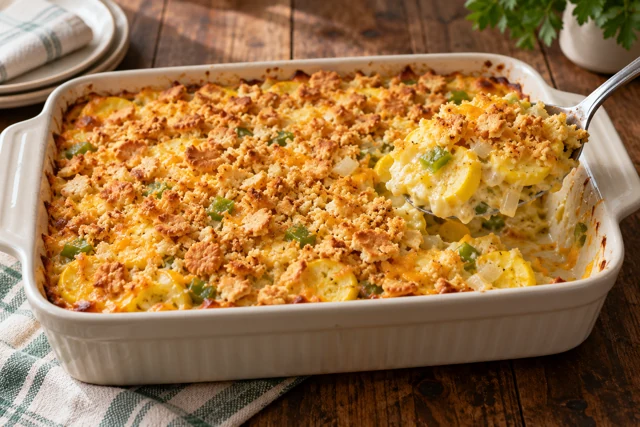
A creamy yellow-squash casserole with tender vegetables, cheese, and a buttery cracker topping.
View recipe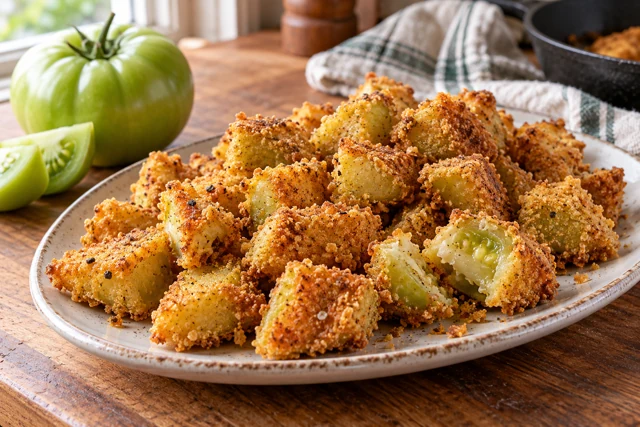
Bite-size green tomato pieces with a crisp cornmeal coating, cooked in small batches and served hot.
View recipe