
Squash Alabama
A creamy yellow-squash casserole with tender vegetables, cheese, and a buttery cracker topping.
View recipe
Smoked sausage, pinto beans, and tomatoes simmer into a hearty skillet supper to spoon over grits.
A guide adapted from a published recipe. View source & credits.


AI-generated illustrations of ingredients, preparation, and the finished dish. Tap any image to view it in full.
Stump Jumpin’ Sausage is a hearty mixture of smoked sausage, pinto beans, tomatoes, and vegetables, served over cheese grits. The sausage browns first, then the pan becomes the base for a slow simmer. The result should be spoonable and saucy enough to mingle with the grits without resembling a thin soup.
The published feature places this dish in Brenda’s family collection but credits the original sausage recipe to Walt Merrell’s Shepherding Outdoors. This expanded guide preserves that credit. The cheese grits are a separate serving component, so have them ready around the time the sausage mixture finishes; their preparation is not included in the main recipe timing.
Use smoked link sausage and check the package cooking instructions, since products differ. Slice into thin, even medallions. Chop the onion and celery into small pieces so they soften without remaining bulky in the sauce. Mince the garlic and drain the pinto beans, keeping the canned tomatoes with their juice.
The source specifies a skillet that is not cast iron; stainless steel is a useful choice. Pick one deep enough for the sausage, vegetables, broth, tomatoes, and beans without crowding the rim. A wide pan reduces liquid faster, so keep a little extra broth or water nearby in case the simmer becomes too dry.
Allow the small amount of water to evaporate before adding vegetables. Browning creates flavor that the broth later lifts from the pan.
Smoked sausage, broth, and Creole blends all vary in salt. Begin with a small amount of seasoning, then taste the simmered sauce. A wider pan reduces faster; add a little broth if needed.
Brown sausage evenly before combining it with wet ingredients if the method calls for that sequence. Verify the correct doneness for the sausage type used.
Smoked sausage, pinto beans, and tomatoes simmer into a hearty skillet supper to spoon over grits.
Times and yields are estimates; use the cooking cues in the instructions.
Place the sliced sausage and 2 tablespoons water in the skillet over medium-low heat. Spread the slices out as much as the pan allows. The water helps the first stage heat gently; allow it to evaporate rather than pouring off the flavor developing in the pan.
Once the water has cooked away, continue cooking until the sausage begins to color. Turn slices so more than one surface contacts the pan. Browned patches are useful for flavor, but blackened residue will taste bitter. Lower the heat if the sausage darkens before you can turn it.
Stir in celery, onion, and garlic. Cook over medium-low heat, stirring regularly, until the onion looks translucent and the celery has softened. This can take several minutes depending on the cut size. Watch the garlic carefully because it can catch on exposed hot areas of the skillet.
Pour in the 1½ cups chicken broth. Use a wooden spoon or suitable spatula to scrape gently across the bottom, releasing the browned residue into the liquid. This is the flavorful base of the sauce. Leave behind any truly black burnt bits rather than aggressively scraping them into the food.
Stir in the full can of petite diced tomatoes with its juice and the drained pinto beans. Fold gently so the beans stay mostly intact. Bring the mixture to a gentle simmer, then lower the heat as needed; a hard boil can break up the beans and reduce the liquid too quickly.
Add a modest amount of Creole seasoning, stir, and allow the flavor to disperse before tasting. Smoked sausage, broth, and seasoning blends can all be salty. Start cautiously rather than assuming a fixed spoonful works for every brand. You can add more toward the end of the simmer.
Keep the pan at a low simmer for at least 30 minutes, stirring occasionally along the bottom. The vegetables should be tender and the sauce more unified. If it becomes too thick, add a small splash of broth or water. If it is too loose, simmer uncovered a little longer while watching the salt concentration.
While the sauce simmers, make cheese grits using your preferred recipe or package directions. Grits vary widely in cooking time, so start early enough for the type you have. Keep them creamy and hot, thinning with a little liquid as needed rather than letting them set into a stiff mass.
Taste the fully cooked sausage mixture and adjust the Creole seasoning only if necessary. Spoon a portion of hot grits into each bowl, then add sausage, beans, and sauce. Serve immediately so the grits remain soft. If using a sausage that required cooking, ensure its package directions have been met before serving.
Broth, sausage, and the seasoning blend may have supplied more salt than expected. Avoid adding further seasoning. Serving a modest amount over unsalted or lightly salted grits can balance the plate. Next time, choose lower-sodium broth and season near the end after the sauce has reduced.
Frequent vigorous stirring or a hard boil can break them down. Use a gentle simmer and fold with a broad spoon. Soft canned beans may naturally thicken the sauce, but leaving most intact gives a more distinct texture.
Reduce the heat, stir along the bottom, and add a small splash of liquid if the pan has dried out. A thin-bottomed skillet can create hot spots. If anything has burned, transfer the unburnt portion to a clean pan without scraping the scorched layer into it.
Serve in shallow bowls over cheese grits, with a crisp salad or simple green vegetable on the side. Rice can be used as a serving variation if grits are unavailable. For advance preparation, cook the sausage mixture separately, cool and refrigerate promptly, then reheat thoroughly while making fresh grits. Store the two components separately so the grits do not absorb all the sauce.
Refrigerate the sausage mixture and grits separately within 2 hours. Use within 3 to 4 days and reheat leftovers to 165°F.
The magazine places it in Brenda’s collection but credits the original to Walt Merrell’s Shepherding Outdoors and describes Walt and Hannah developing it. We preserve that credit here.
Yes. Rice is an easy serving variation. The source serves the sausage mixture over cheese grits.
Adapted from Taste of the South’s feature. Original sausage recipe credited to Walt Merrell’s Shepherding Outdoors; it is part of Brenda’s family recipe collection. Yield and prep time are estimates. Grits are a serving suggestion, not included in the listed cooking time.
Read the published source recipe
Instructions are rewritten for this site and have not yet been kitchen-tested by our team. Technique, storage and serving notes are Brenda’s Family editorial guidance, not quotations from Brenda; ingredient quantities follow the linked source and timings are approximate.
A creamy yellow-squash casserole with tender vegetables, cheese, and a buttery cracker topping.
View recipe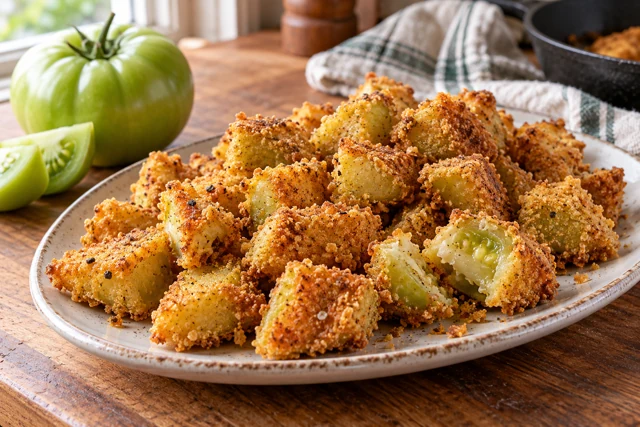
Bite-size green tomato pieces with a crisp cornmeal coating, cooked in small batches and served hot.
View recipe
Chocolate chips, old-fashioned oats, and pecans give these drop cookies a generous, home-baked texture.
View recipe